Pathways Project
Canadian Natural, Cenovus, ConocoPhillips Canada, Imperial and Suncor are the proponents of a major project in Northern Alberta. Once operational, it would transport and store carbon dioxide (CO₂) captured from oil sands facilities.
Carbon capture
and storage (CCS)
Learn more about CCS and explore other projects like ours around the world.
Safety
Learn about the multi-layered safety system for the proposed Pathways Project.
CCS process
Find out how the CCS process works, from capture to transportation to storage.
Regulatory
Learn about the proposed location and regulatory and approval processes for the Pathways Project.
About the Pathways Project
On behalf of the Pathways Project’s five proponents, Canadian Natural is proposing a CO2 Transportation Network and Storage Hub that, when operational, will transport and store captured CO2 from multiple oil sands facilities in northeast Alberta. The Pathways Project proceeding is contingent upon obtaining sufficient fiscal and policy supports and regulatory approval.
How it works
The proposed CO2 Transportation Network and Storage Hub (Pathways Project) will provide necessary transportation and storage infrastructure for CO2 captured from oil sands facilities. Each individual oil sands operator will manage carbon capture activities at its own facilities. For this reason, carbon capture facilities aren’t included in the project.
Transporting CO2
Each oil sands facility will connect into a main transportation line, which will transport captured CO2 from the facilities to the storage hub, located in the Cold Lake area of Alberta. The CO2 transportation network will be over 650 km.
CO2 storage
The storage hub is a capped sandstone formation located between 1,000 and 2,000 metres below the Earth’s surface.
Why Carbon Capture and Storage (CCS) technology?
Oil Sands companies are advancing environmental innovation and projects, including CCS. It’s a proven technology that can help our industry move toward a stronger future.
How does CCS work?
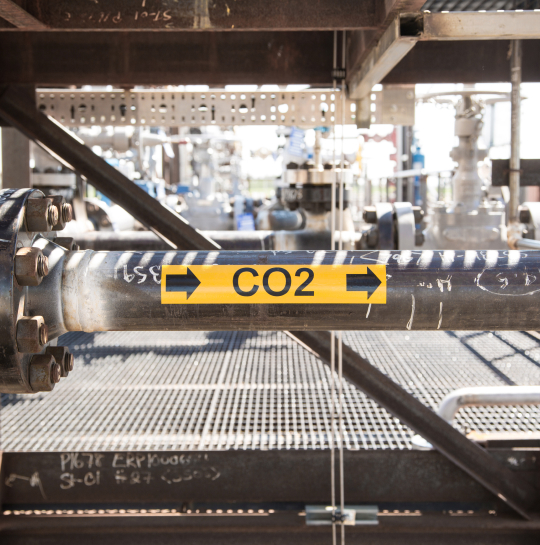
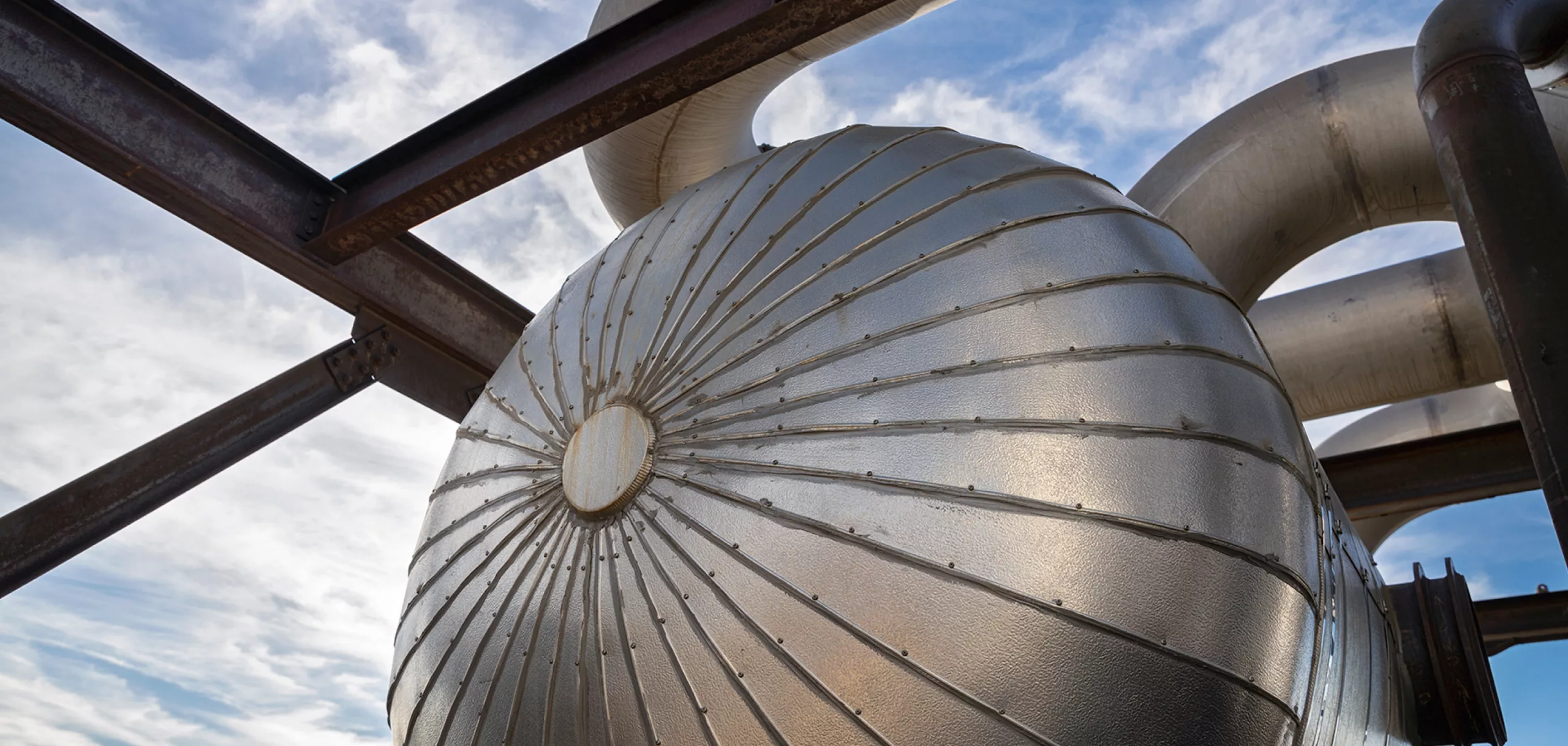
Typically, capture technologies are fitted to large, stationary sources of CO2 emissions, like boilers or steam generators, making it possible to capture CO2 emissions from oil sands facilities before they enter the atmosphere. The CO2 is compressed into liquid form and can safely be transported through pipelines to be stored in a deep, underground formation. Alberta’s geology is well-suited for CO2 storage.
Consultation and engagement
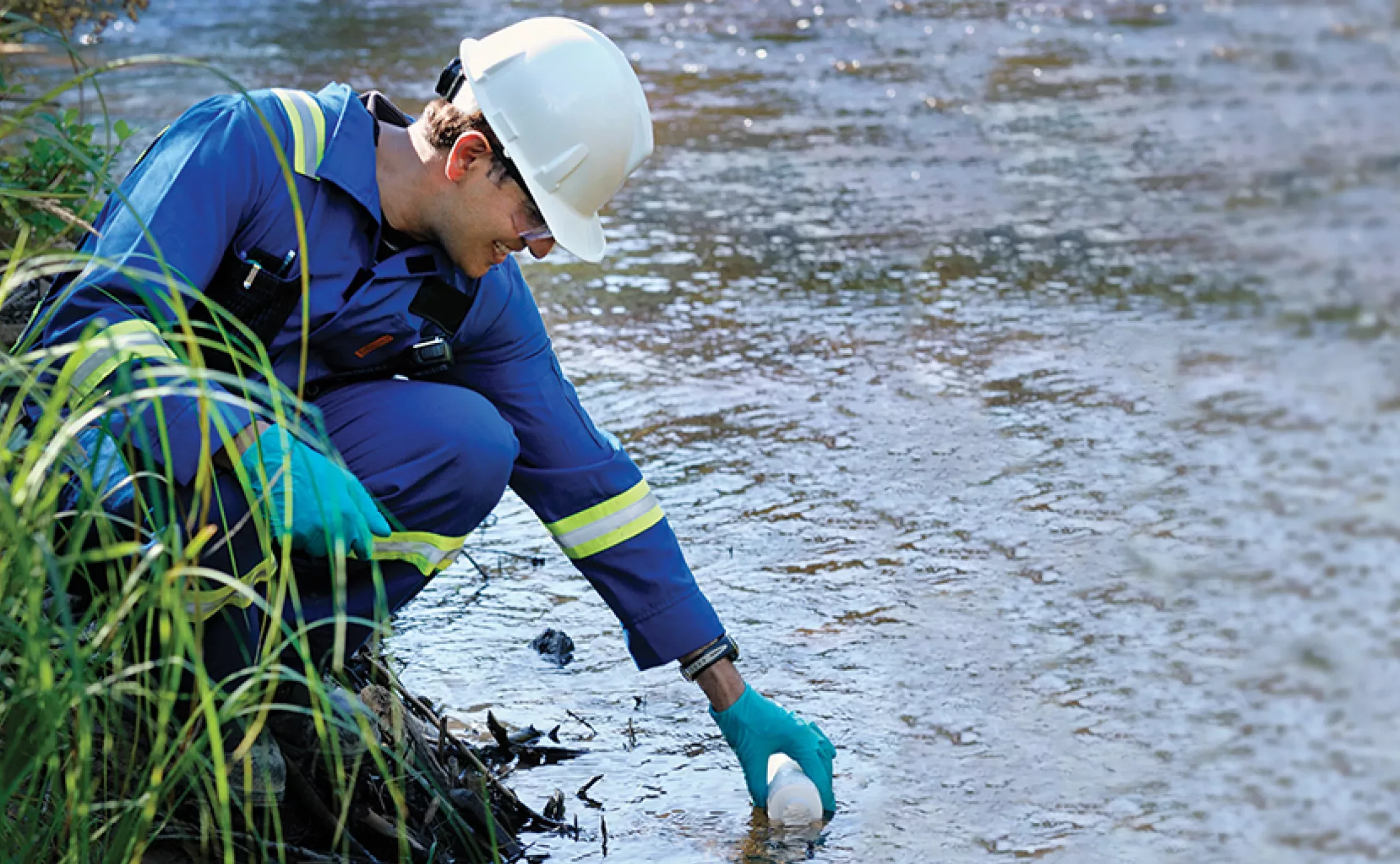
The Pathways Project proponents value their long-standing relationships in the communities where they operate and are committed to the transparent sharing of information related to the project. Throughout the proposed project life cycle, they will focus on understanding concerns, addressing issues and developing mitigations related to the Pathways Project and its operations. Consultation and engagement has been led by Canadian Natural on behalf of project proponents, and it began in 2023, following early engagement activities in 2022.
Over many years of working together, oil sands companies have endeavoured to develop positive and mutually beneficial relationships in the communities where they operate. Because of these unique relationships and the importance we place on them, the Pathways Project proponents have taken the initiative to engage early on this project, sharing information in a timely, open and transparent manner with Indigenous groups, local landowners and other interested parties.
The Pathways Project proceeding is contingent upon obtaining sufficient fiscal and policy supports and regulatory approval.