Behind the innovation: Bernhard Mayer and the science driving OTSG research
January 22, 2023

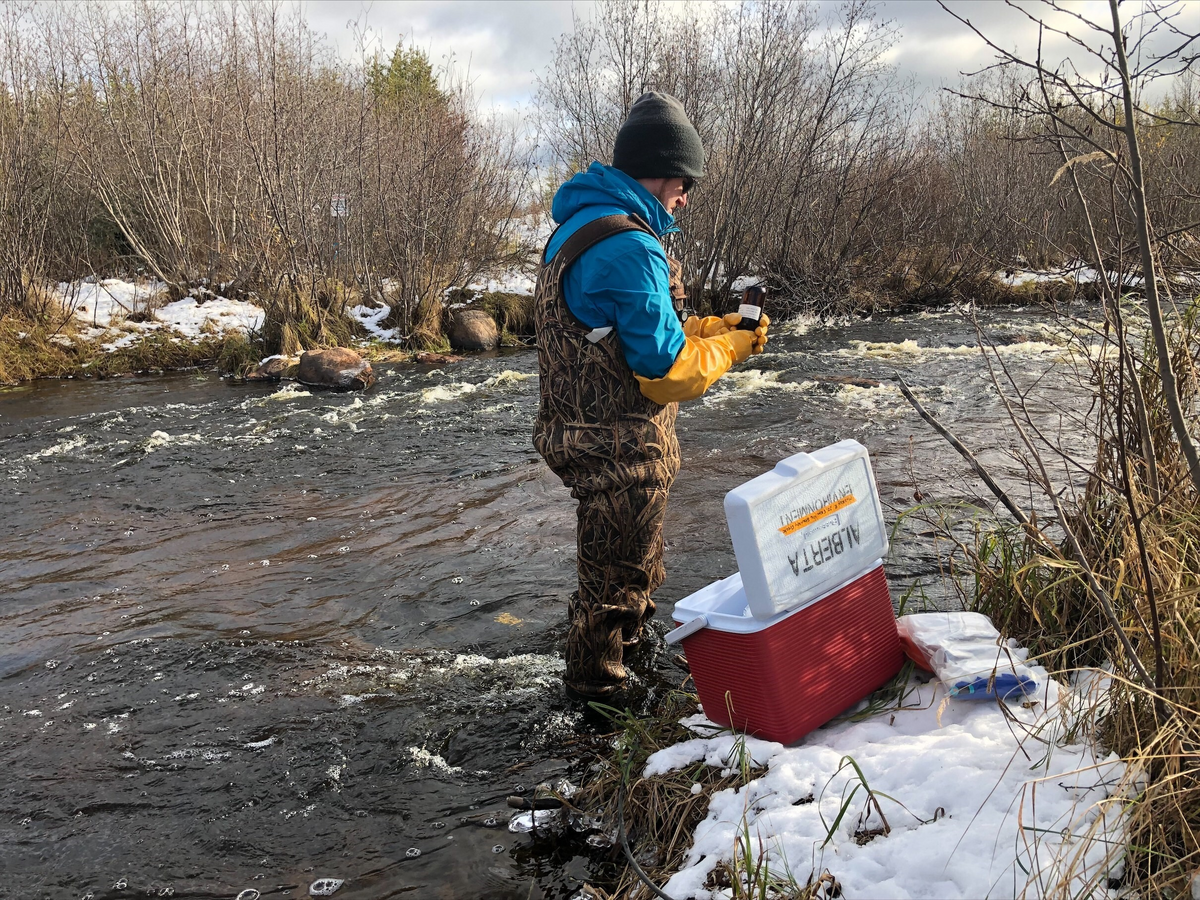
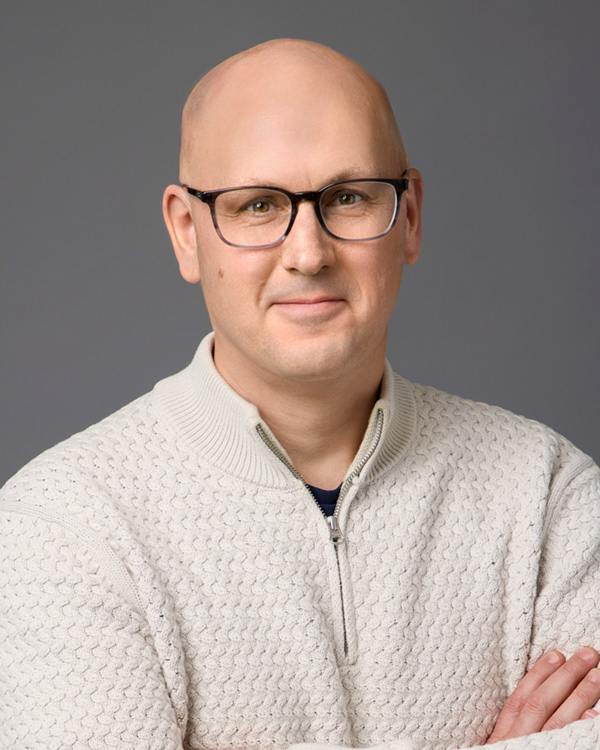
When you think of innovation in the oil sands, images of cutting-edge technology and large-scale industrial operations often come to mind. And behind these advancements are scientists like Dr. Bernhard Mayer, whose decades-long career in isotope geochemistry has shaped how we understand and solve complex challenges in energy and environmental systems.
From Munich to Calgary: A global journey in science
Bernhard Mayer’s path to becoming a leading researcher in Canada began in Munich, Germany, where he completed his degrees in Geology and Geochemistry. His early work was shaped by pressing environmental issues of the time — acid rain and radioactive waste disposal following the Chernobyl disaster. These experiences sparked a lifelong commitment to applying science to real-world problems.
After completing his PhD, Mayer’s connections brought him to Canada first for a postdoctoral position (1993-94) and subsequently for a professorial appointment at the University of Calgary in 1997. “It was the right time, right place,” he recalls. North America offered more opportunities for his niche expertise in isotope geochemistry — a field that uses stable isotopes as tracers to identify sources and pathways of elements in the environment.
Isotope geochemistry might sound esoteric, but its applications are practical and powerful. Mayer explains, “Stable isotopes don’t decay, and their ratios can reveal where a compound comes from.” For example, in oil sands operations, isotope analysis can determine whether iron in scaling deposits originates from boiler feed water or from steel pipes – critical insights for preventing fouling and corrosion.
Moving from trial-and-error to science-based solutions to fouling
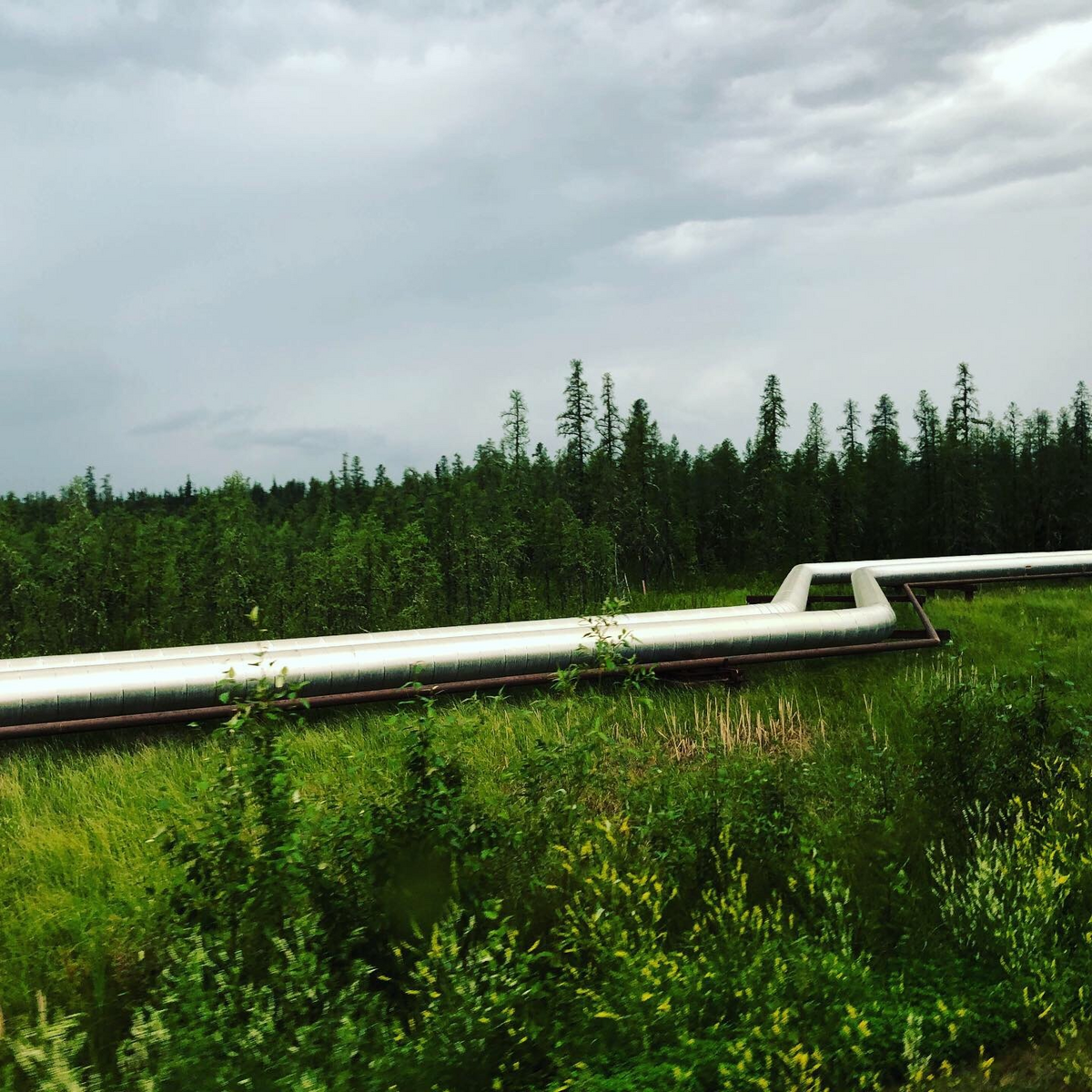
Once Mayer’s research intersected with oil sands operations, his focus shifted to one of the industry’s persistent challenges: fouling in once-through steam generators (OTSGs). These massive units are essential for producing steam in SAGD operations, but mineral scaling and corrosion can lead to costly downtime and inefficiencies.
“Early on, operators relied on trial and error – changing parameters without a fundamental scientific understanding behind why results improved or worsened,” Mayer says. His team’s goal was to replace educated guesswork with data-based science. Through a project funded by the Natural Sciences and Engineering Research Council of Canada (NSERC) and with COSIA (2018–2023), Mayer’s group mapped the sequence of mineral deposits forming inside OTSG pipes and began identifying key water chemistry parameters that influence fouling.
The work continues today under a $2.5 million Pathways Alliance and NSERC Alliance grant, involving 15-20 researchers across multiple universities. The current phase aims to define precise specifications for boiler feed water to minimize fouling, erosion, and corrosion — while reducing water use and greenhouse gas emissions for each barrel of oil produced.
Collaboration as a catalyst
One of Mayer’s biggest insights? Collaboration matters. “We’ve never had such good research cooperation with experts from all oil sands companies,” he notes. Monthly meetings with industry specialists have accelerated progress and avoided duplication of effort — a stark contrast to earlier years when companies worked in isolation.
When asked if he considers himself an innovator, Mayer hesitates. “I look at it as scientific advancement,” he says. But his work exemplifies innovation in its purest form: applying specialized knowledge to solve industry-wide challenges.
For Mayer, success means returning value to taxpayers and the public. “We want companies to have less damage on OTSGs and become more efficient with water and energy,” he explains. Achieving that has the potential to make oil sands operations more efficient — a win for industry and society alike.
Mayer’s story reminds us that innovation isn’t just about technology — it’s about people, persistence, and partnerships. His research is paving the way for smarter oil sands operations, proving that science and industry can work hand-in-hand to tackle complex challenges.