More pipelines for a stronger Canada
January 30, 2026
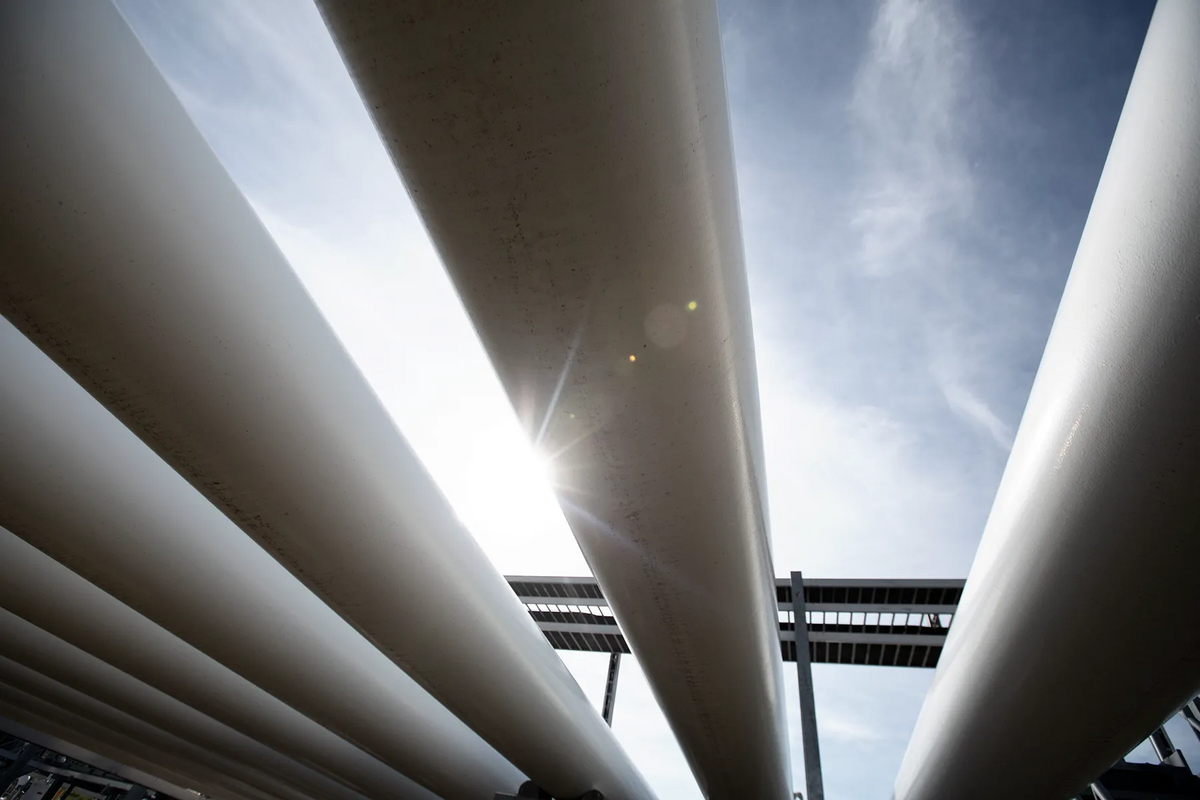
Canada finds itself at a pivotal and unique moment. Geopolitical uncertainty continues to intensify as the nation’s leaders grapple with how to grow the economy and create prosperity for Canadians. It’s a challenging problem to be sure, but one of the ways the country can help itself is to lean on its energy industry and abundance of natural resources.
The oil and gas industry is indispensable to the nation’s economy. Canada is the fourth-largest oil producer in the world, with oil sands production of around 3.5 million barrels per day. The industry employs approximately 450,000 people, contributes tens of billions annually in royalties and taxes to government coffers, and was responsible for over $150 billion of Canada’s exports in 20231.
And there’s room for more. Canada has the 4th largest proven oil reserves in the world. By 2030, S&P Global predicts that Canada’s oil sands production could top 3.9 million barrels per day.
“Not only does Canada have the wherewithal to grow domestic production, it can do so in a lower price environment,” said Kevin Birn, Chief Analyst of Canadian Oil Markets at S&P Global Energy. “Most of the growth we are seeing in the oil sands today is coming from optimization projects. These projects can remain economic even in a price downcycle because they have the added benefit of spreading costs over increased production.”
Although forecasts vary, global oil demand hasn’t yet peaked and continues to grow. Oil will continue to be a major part of the energy mix for years. It’s clear that Canada’s energy industry has an important role in the world’s energy future and can help emerging markets in China, India, the Middle East and other developing nations reach their potential. There is currently not adequate pipeline capacity to gain competitive access to these economies.
The overwhelming majority of Canada’s oil and gas exports currently go to one customer – the United States2. While this trade relationship has been fruitful for many years and will continue to be important, Canada must take steps to protect its energy economy and diversify its customer base by building more pipelines to enter other overseas markets.
“Building additional infrastructure is not just an energy issue,” said Pathways Alliance President, Kendall Dilling. “It means building economic resilience, national security, and long-term prosperity for Canada and Canadian companies. Constructing new pipelines can further each of these priorities while opening trade relationships with new partners and helping them meet their growing resource demands.”
The economic benefit of another pipeline would be substantial to Canada. The C.D. Howe Institute estimates the Trans Mountain Expansion, completed in 2024, increases Canada’s GDP by 0.5%3. With the ability to ship directly to Asia, Canada can reduce its reliance on American refineries and secure better global pricing.
While increasing pipeline capacity and entering new markets is paramount for the industry, Canadian producers are also focused on advancing environmental innovation and projects that can reduce emissions intensity in the sector.
Pathways members have proposed a carbon capture and storage network and pipeline that, when operational, would have the capacity to transport captured CO2 from multiple oil sands facilities to a hub in the Cold Lake area of Alberta for permanent underground storage.
It is through investment in major energy infrastructure projects that true progress will be made for Canada’s economy and energy security. A new oil pipeline and the Pathways carbon capture and storage project are two major investments that can further those important goals.
“As a stable democracy with some of the most modern, efficient and lowest emissions intensity oil produced globally, Canada is uniquely positioned to significantly expand its role in global energy markets,” wrote Alberta Premier Danielle Smith in a letter to Prime Minister Mark Carney.
The best time to start investing in our future to become a global energy superpower was yesterday. The second-best time is today.