Keeping an eye on our environment: The story of the Oil Sands Monitoring program
February 25, 2026
The oil sands region of northern Alberta is home to one of the largest collaborative scientific monitoring programs in existence.
The Oil Sands Monitoring program (OSM), launched in 2012, brings together industry, Indigenous communities, researchers, and all levels of government to better understand any long-term impacts of oil sands activity. Together, through the program, they collect and share data in the region. It’s one of the largest environmental monitoring efforts of its kind, (according to the Government of Alberta), covering more than 140,000 square kilometres across the Athabasca, Peace River and Cold Lake regions.
OSM participants work collaboratively to design and deliver monitoring, evaluation, tracking and reporting of any potential environmental effects of oil sands development activities.
OSM was created by consolidating several pre-existing monitoring efforts into one coordinated program, bringing consistency across the region. In 2017, Alberta and Canada signed a formal memorandum of understanding to strengthen that coordination and establish a shared governance model. This included recognition of the importance of Indigenous participation and the requirement to uphold treaty rights.
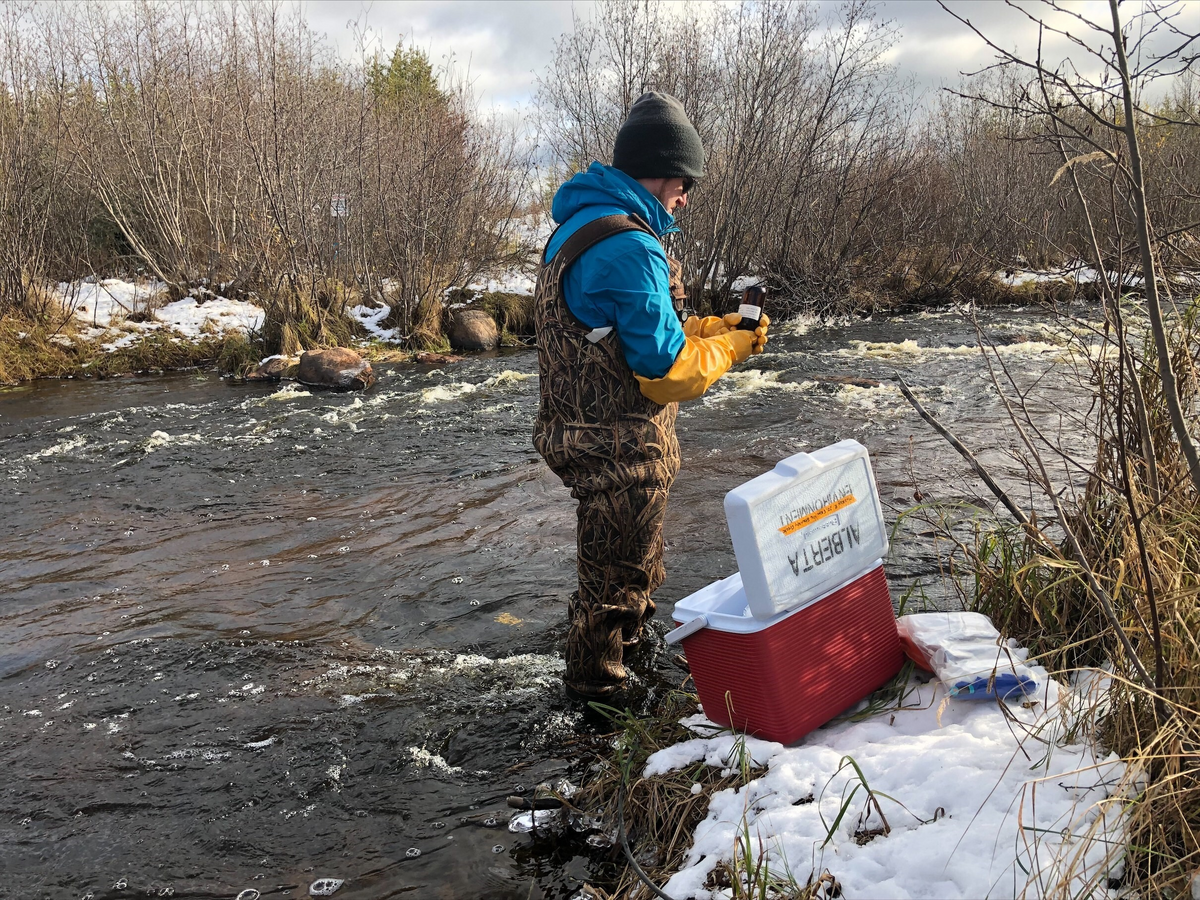
At its core, OSM provides comprehensive monitoring activities. It tracks everything from air and deposition to potential changes in water quality and aquatic ecosystem health. It explores trends in the chemical and physical properties of groundwater and monitors changes in wildlife and plant populations, while also responding to environmental concerns raised by Indigenous communities through community-based monitoring programs.
OSM’s work with Indigenous communities goes beyond responding to concerns. Since the signing of the Operational Framework Agreement in 2018, 27 Indigenous communities are currently signatories.
The program is funded by oil sands operators, with operators collectively contributing up to $50 million annually through the Oil Sands Environmental Monitoring Program Regulation. During the 2025-26 cycle alone, OSM provided funding to 38 monitoring projects.
Today, OSM serves as a model for environmental monitoring that supports and promotes environmental protection and enhancement. Through its research, reports and work plans, OSM enables industry to monitor potential environmental impacts in the oil sands region and identify opportunities to mitigate those potential impacts moving forward.