Developing the oil sands
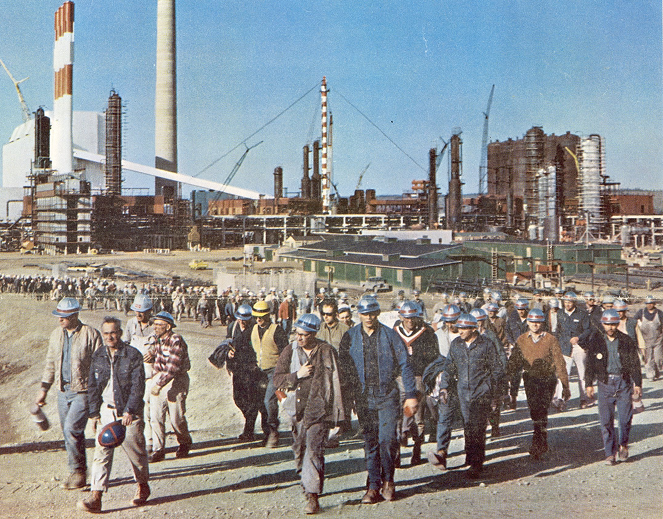
Commercial development of the Alberta oil sands didn’t begin until 1967. That’s largely because bitumen is thick and viscous, making it difficult to get out of the ground. To further complicate matters, bitumen occurs naturally in a mixture of sand, clay or other minerals and water. For these reasons, traditional techniques can’t be used to extract bitumen.
Mining
About 20% of Alberta’s oil sands deposits are close enough to the surface to be mined. The bitumen is then separated from the rest of the oil sands using a hot water method that was patented in the 1920s by Dr. Karl Clark of the University of Alberta. Learn more about mining below.
Clearing
The first step in preparing the land for mining is to clear trees, shrubs, other vegetation and soil. Then muskeg (peat bog) and overburden (clay, silt, sand and rocks) have either dewatering ditches or wells installed to remove excess water before that overburden material is removed. Overburden material is often used to build roads, embankments and tailings dams on-site. Soil and muskeg are stockpiled and used during the reclamation process.
Mining the ore
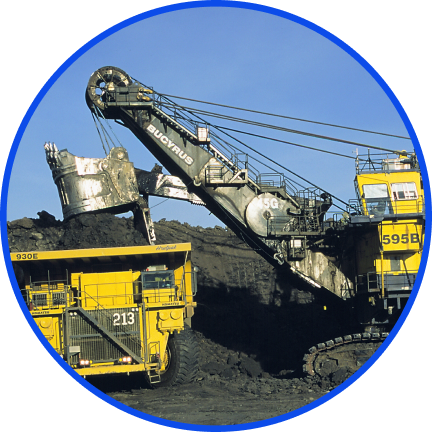
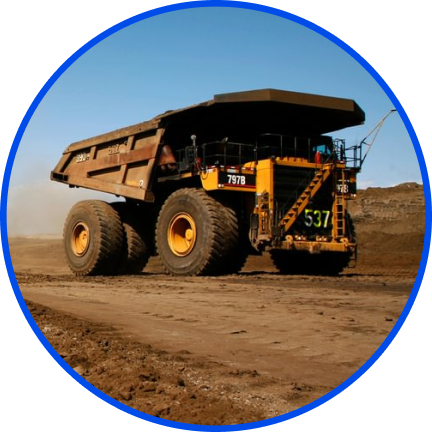
With the overlying material removed, ore mining can begin. This ore is a mixture of bitumen, sand, clay and water. Massive shovels remove the ore from the ground and deposit it into large heavy haul trucks for transport.
Processing the ore
The trucks move the oil sands ore to processing facilities. The first step of processing is crushing, where ore is broken down into smaller pieces. These smaller pieces are then conveyed, mixed with hot water and sent to an extraction plant.
Extracting the resource
Once at the plant, the water and oil sands mixture goes through a series of pipelines and vessels that allow the bitumen to separate and be recovered. Once recovered, the bitumen goes to an upgrader for processing or is sent directly to market depending on how it was processed.
Tailings
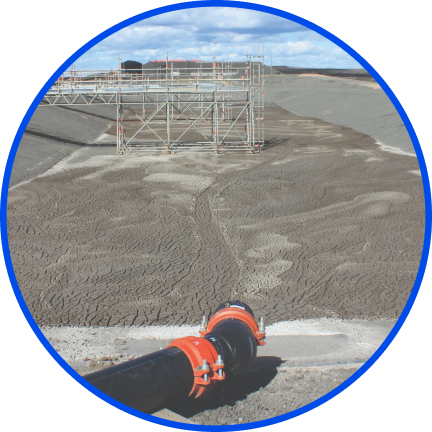
The material that is left over after the bitumen is removed — referred to as tailings — is deposited into engineered storage facilities. As water is recovered from tailings through treatment and settlement, it’s recycled to use in operations. In 2024, 78% of water used for oil sands mining was recycled water, according to the AER.
Reclaiming the land
Reclamation takes place progressively during the life of a mine. Parts of the mine that are no longer needed for operations can be reclaimed even while the mine is still active. As progressive reclamation occurs, surface water, groundwater, vegetation and wildlife are all monitored.

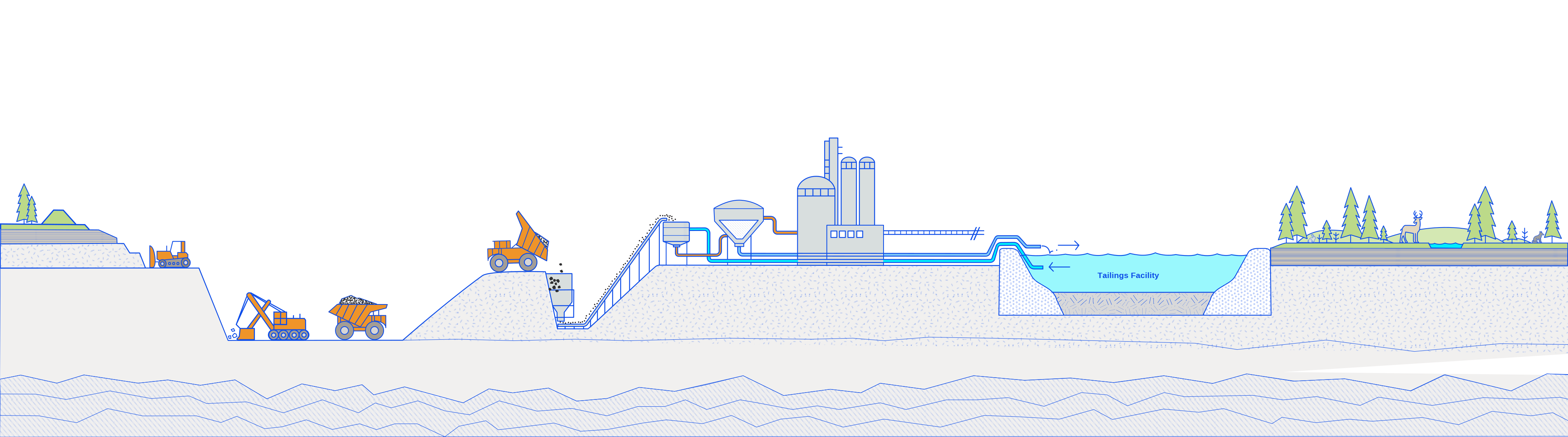
Mining life cycle diagram is for illustrative purposes only.
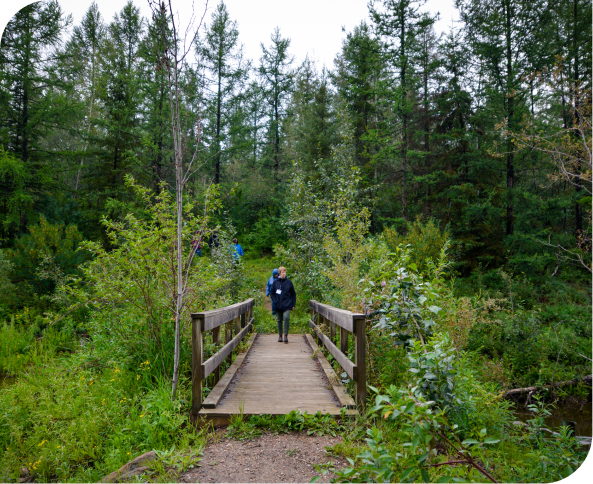
Returning the land to equivalent capability
Operators develop mine closure plans to create a landscape that supports various uses similar to those that existed prior to operations.
Planned reclaimed landscapes for current mines include a mosaic of uplands, wetlands and lakes. Landforms are created using the soil and overburden that were removed and stored early in the process. Vegetation is planted as the landscape was designed so that over time, native plants, insects and wildlife can begin to return.
Once defined reclamation and closure criteria are met, the AER grants final certification.
In situ
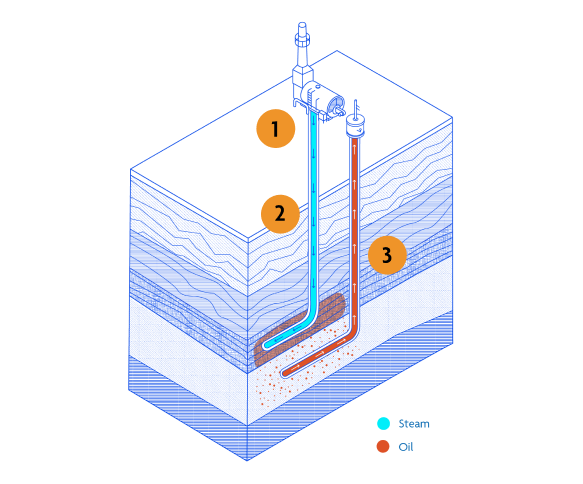
For the oil sands deposits that are too deep underground to mine, specialized steam technologies are needed. Steam is injected into the underground reservoir, heating and softening the bitumen so it can be brought to surface. Cyclic steam stimulation (CSS) and steam-assisted gravity drainage (SAGD) are two of the technologies used for in-situ (in-place) extraction. These are crucial technologies because about 80% of the oil sands are deep underground. Learn more about each technology below.
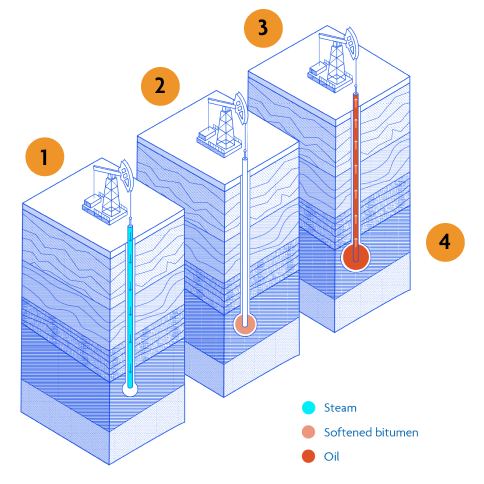
Cyclic steam stimulation (CSS)
- A vertical well is drilled deep underground into the bitumen formation. Steam is injected into the well to help soften the bitumen.
- Steam is left to “soak” in the underground formation until the bitumen is soft enough to flow.
- The same well is then used to bring the bitumen and condensed steam mixture to the surface.
- New steam is then injected to begin a new cycle when oil production rates fall below a critical threshold caused by the cooling of the reservoir.
Steam-assisted gravity drainage (SAGD)
- Two horizontal wells are drilled deep underground into the bitumen formation.
- Steam is injected into the top well to help soften the bitumen in the surrounding reservoir.
- As the bitumen softens, gravity causes it to flow into the bottom well, where it is brought to the surface.
- The resulting substance is a mixture of oil and condensed steam, which is sent to a plant for separation and treatment. The separated water is reused to create steam in the SAGD process.