The oil sands industry and safe treatment of mine water
March 25, 2026
Oil sands operators have been successful over the years for many reasons. Their scientific approach, ingenuity and technology-driven mindset are attributes that companies lean on to improve an essential Canadian industry.
The industry’s progress on treating mine water for its safe release back to the environment is an example of how it is planning to address a significant challenge while demonstrating its commitment to responsible resource development.
The challenge
Water is essential to oil sands operations and companies approach its stewardship with care and respect. However, one of the challenges for the oil sands mining industry has long been accumulation and storage of water and a lack of regulatory ability to treat and release water the way other industries do.
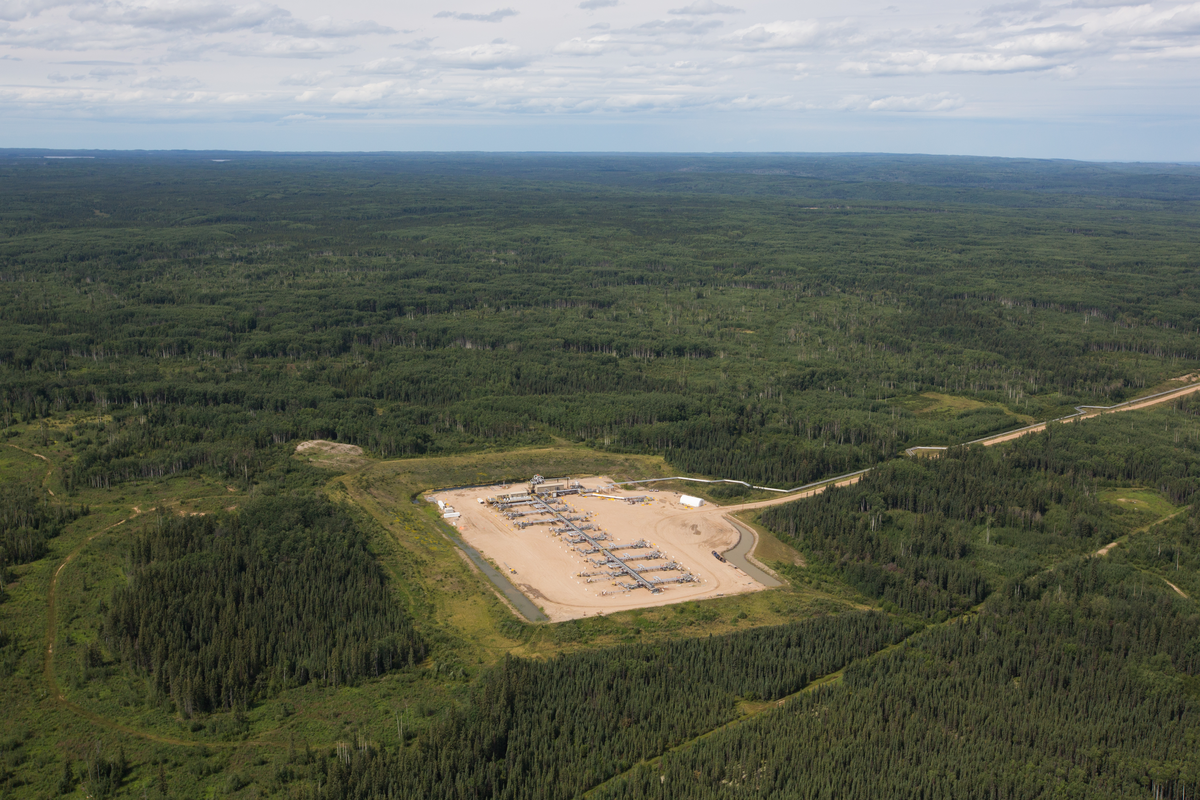
The term mine water, or ‘tailings’ water, is used to describe the water managed by oil sands operators. It includes process water, which is mainly recycled from the extraction process, upgrading recycled wastewater, and groundwater removed prior to and during mining. Under current regulations, mine water and any precipitation that falls on mine sites, including rain and snowmelt, must be stored in engineered facilities. These facilities are designed to contain water and tailings and are closely monitored to prevent seepage. Oil sands tailings facilities are not meant to be a permanent part of operations.
Currently, only water that doesn’t touch the mining process or is not process-affected can be treated and tested to meet regulatory criteria and then returned to the river. As a result, oil sands mining operations have some of the largest industrial water repositories in the world.
The absence of regulations to treat and release water in the oil sands sector is unique compared to other industries in Alberta, Canada or around the world. Like the oil sands, power plants, gas plants, municipalities, meat processing and pulp and paper mills all produce wastewater through their operations. The same is true for Canadian mining operations for copper, lead/zinc, nickel, gold, iron ore and diamonds. The critical difference is that each of these other industries can treat their wastewater to rigorous regulatory standards and are permitted to release it back into the environment. Due to the lack of oil sands specific regulations, oil sands mine water cannot be released back into the watershed.
This lack of regulation has impeded industry’s ability to fully reclaim and close mine sites. Despite sustained efforts on improving water use and researching and developing water treatment technologies, oil sands companies will not be able to fully reconnect their mine site to the environment and return it to a self-sustaining boreal forest.
Companies have a requirement and responsibility to fully reclaim their sites. The industry takes this responsibility seriously and is committed to it. However, because of the lack of federal effluent regulations and provincial guidance for oil sands, full reclamation of oil sands mining operations isn’t possible.
“Permanent storage of water prevents the full reclamation of land used for oil sands mining operations,” said Kendall Dilling, President of Oil Sands Alliance. “This is not only a regulatory requirement for oil sands companies but also the expectations of Canadians who want to see reclamation done faster in our industry.”
The solution
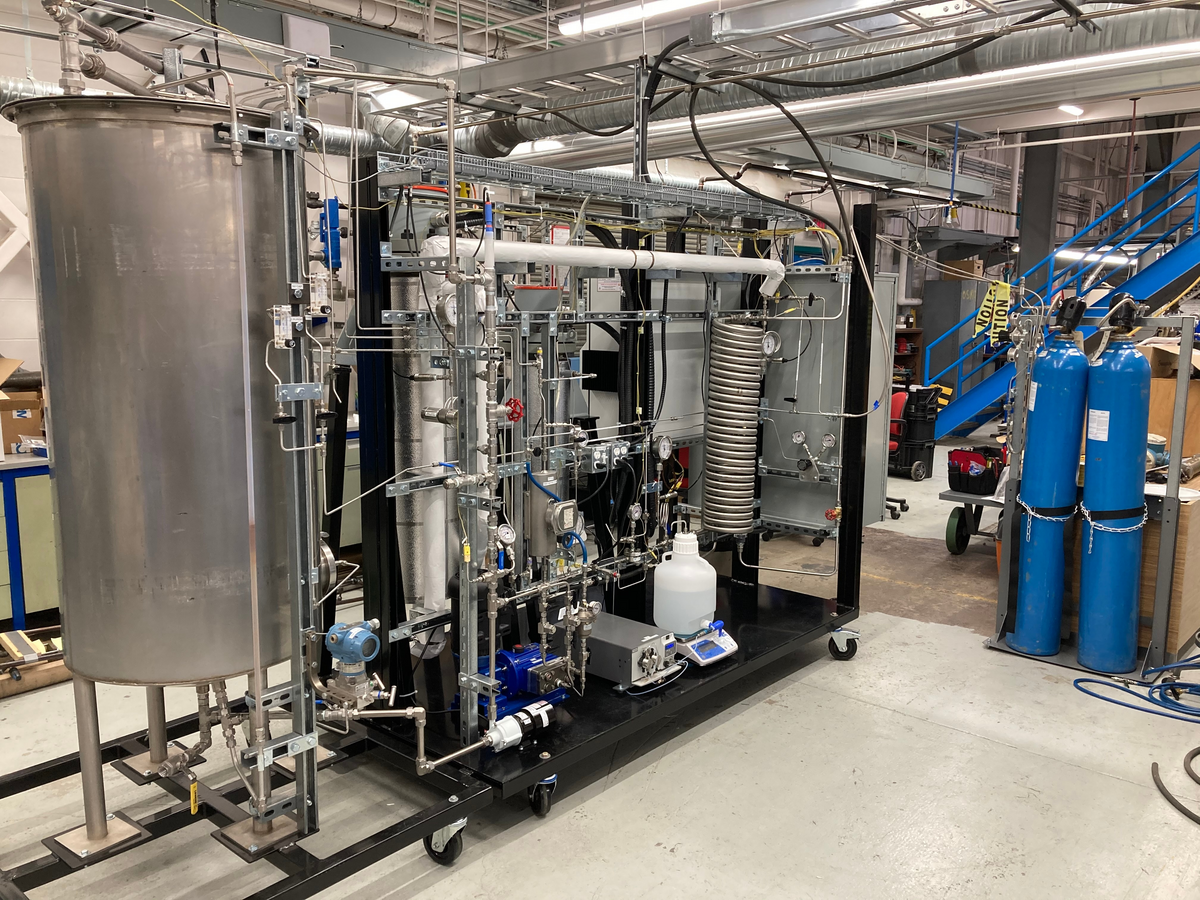
Proven technology exists today and is used in Canada and around the world to safely treat industrial wastewater. Oil sands companies have invested in extensive environmental research, modeling and technology demonstrations for more than 30 years to understand how to best apply these treatments for the safe release of oil sands mine water.
Oil sands mine water is not materially different than other industrial water in substance or how it can be treated for release. This includes organics, salinity, suspended solids and metals. Through testing and monitoring, solutions are available to treat mine water using existing and demonstrated technology that will result in water quality that is generally consistent with the Athabasca River. Only with the ability to safely treat and release oil sands mine water will the industry meet its reclamation, water management, and environmental goals and commitments.
Industry’s commitment
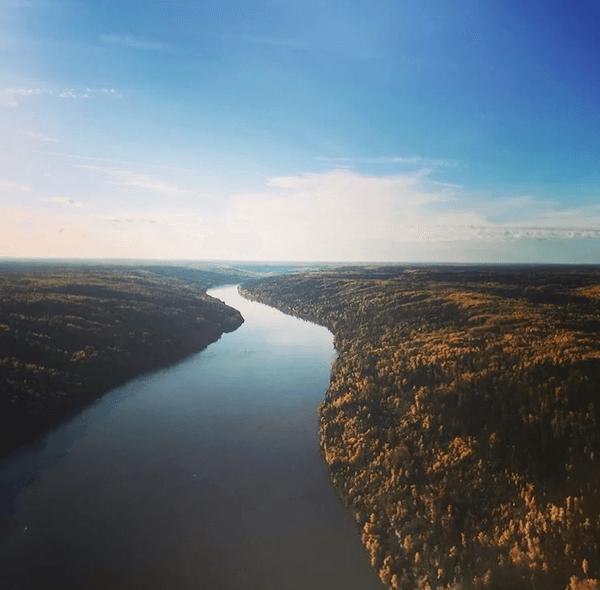
The Athabasca River serves as a critical hub of biodiversity and community importance and is located near several oil sands facilities. It is also one of the most heavily monitored systems in the world and home to many industries in addition to oil and gas, that treat and safely discharge wastewater.
“We know the importance of the land and water to local communities,” said Dilling. “Our member companies are committed to working collaboratively with Indigenous communities, government and stakeholders to ensure that the water will be safely and effectively treated.”
Alberta Environment and Protected Areas, Environment Climate Change Canada, Indigenous Communities and industry recently collaborated on a report based on years of monitoring and analyzing water quality in the Athabasca River. A key conclusion of the report was that “water quality didn’t show a consistent pattern of change when comparing sites upstream and downstream of oil sands activities on the Athabasca River.”
At the same time, the industry remains focused on limiting its freshwater use. In 2024, 78% of water used for oil sands mining was recycled water.1
The oil sands industry recognizes that water is a precious resource and is committed to continuing its engagement with Indigenous communities. The technology and expertise are in place to treat mine water to a safe standard that allows for release back into the environment with no adverse effects. All that’s left is for governments to deliver industry specific guidelines and regulations so it can be safely treated and released to allow for full reclamation of oil sands mine sites.
Oil sands mine water misconceptions and facts
Below is information to help correct misconceptions on frequently asked questions.
Click the triangles below to read more.
Misconception: Release is not necessary and oil sands mine water can be managed in different ways.
Fact: Treated water release is necessary to support full reclamation
Alternatives, individually and collectively, are not sufficient to remove the volume of water needed to achieve full reclamation. Treated mine water release is required to return the land to a self-sustaining boreal forest as expected by industry and Canadians. Without treated water release, oil sands mines will see the continued accumulation of water (e.g., in the form of precipitation), even after operations are finished, that prevents full reclamation and the return of lands to Alberta and its communities.
Misconception: Treated water won’t be safe.
Fact: Water is treated in many industries to rigorous environmental standards in compliance with government regulations.
Water release criteria are designed to protect human health and the environment. They are based on science, decades of research and international and federal (Canadian Council of Ministers of the Environment) guidelines. Industrial water is routinely treated and safely released to watersheds globally, across Canada and in Alberta using the same technology proposed for use in the oil sands industry.
Misconception: Released water should be drinkable.
Fact: Safe release supports a healthy aquatic wildlife environment.
Drinking water is toxic to fish and shouldn’t be used as a reference for water quality safety when assessing oil sands treated mine water release. Rivers and other waterbodies are not safe to drink from because they naturally carry bacteria, parasites and other naturally occurring contaminates. Oil sands mine water can be treated to ensure it’s safe for the aquatic and wildlife environment, while not being drinking water quality for humans. Returned water will be monitored to verify that it is generally consistent with the river’s natural state and would not cause adverse effects to humans, wildlife or plant life.
Misconception: Oil sands mine water is different than other industry wastewater.
Fact: Oil sands mine water has similar properties as wastewater from other industries.
Oil sands mine water is not materially different from other industrial water in the nature of the substances it contains that impacts how it can be treated for release.
Misconception: Technology doesn’t exist to safely treat oil sands mine water
Fact: Technology exists and is in use today to safely treat oil sands mine water
Technologies exist today that are well understood, available and capable of effectively treating oil sands mine water. These technologies are not new, novel or untested and are commonly used to treat industrial water with similar constituents.