United Association Local 488 program launches next generation of skilled trades
September 29, 2026
Every journey starts with a single step. For Joel Connors, that step involved a one-hour commute from the small farming community of Westlock into north Edmonton for 12 weeks.
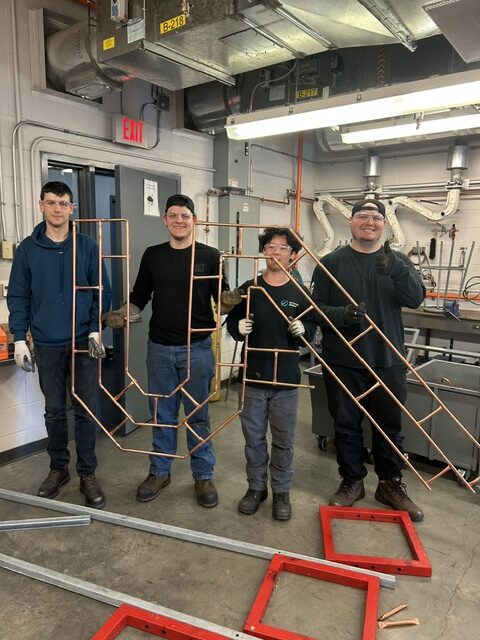
But the long drive was worth it for Connors, one of 12 students to complete a pre-apprenticeship training program at the United Association Local 488’s Pipe Trades College.
And Connors feels prepared to start his apprenticeship as a plumber after completing the program at the end of June.
“It was a great experience. I’ve always enjoyed doing work around the house or working with my dad on projects in the garage. Working with my hands was always something I enjoyed,” says Connors, who graduated from high school in 2025. “Unfortunately, going through school during COVID really affected my options in high school in terms of exploring a skilled trade. I wound up taking courses online to finish high school. My dad, who is a plumber/pipefitter and a member of Local 488, heard about the pre-apprenticeship course and I really wanted to sign up for it.”
The course helped Connors with practical training as well as what to expect on a job site.
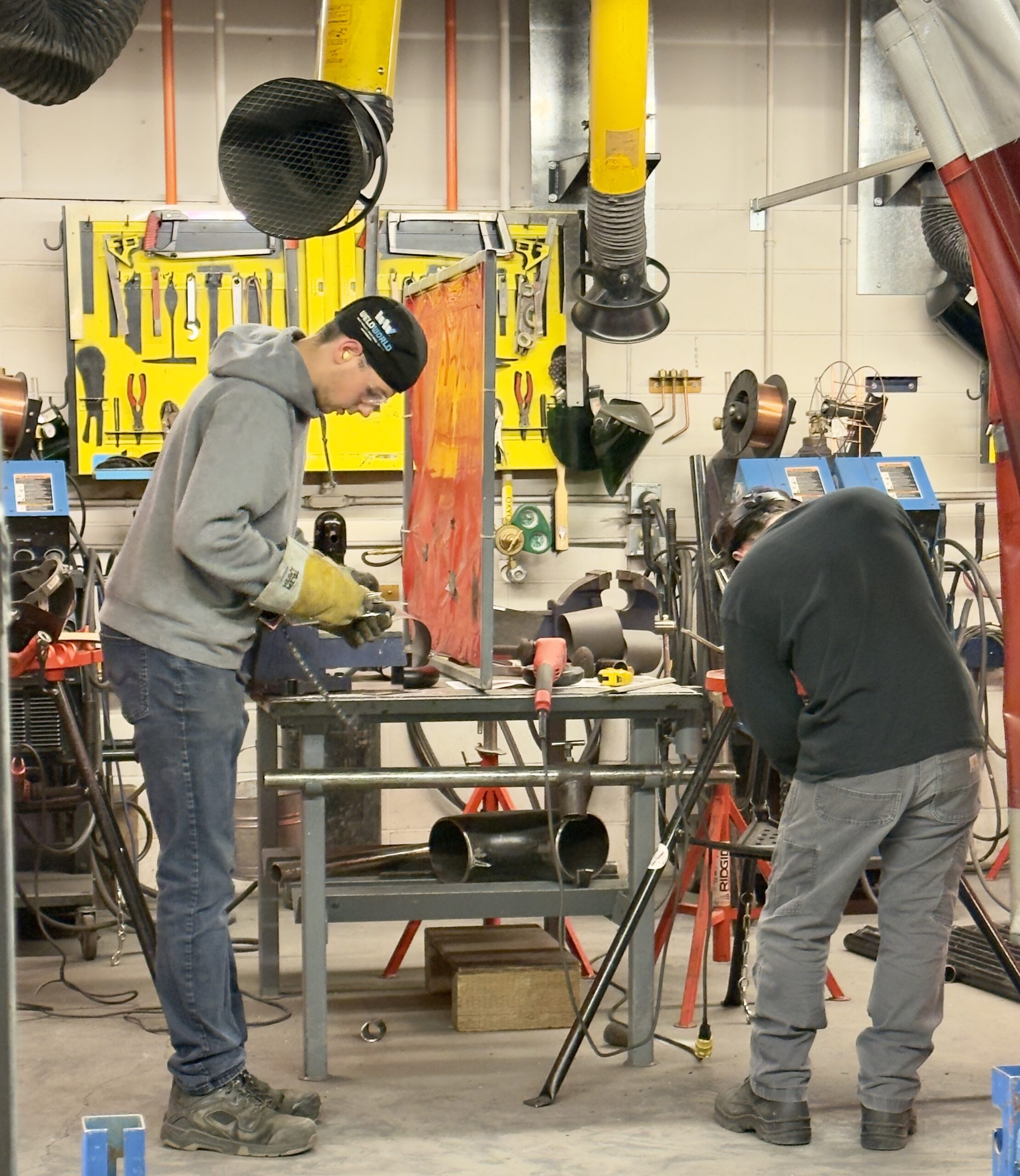
“You learn the right way to use machines and tools. We also were taught a lot about the safety culture required by employers these days, which is really important,” he says. “When I go home and do projects in the garage, I use what I learned from the course. I couldn’t live without my ear protection or the basics anymore when I work on projects in the garage.”
That admission is music to the ears of Chris Waples, the director of education for United Association Local 488.
“This kind of training is integral in helping young people get into the trades as an apprentice. If contractors are going to hire a new person, having 12 weeks of hands-on practical skills training is a huge advantage. One of the most important things in the field is safety culture and that’s something these students learn from day one,” says Waples, a former school teacher turned plumber and steamfitter who began instructing apprentices at the college more than 10 years ago. “They learn how to use the tools. They build projects. They know how to use a tape measure, but they’re also learning inherently how to do those tasks safely.”
Austin Enright, who graduated from Edmonton’s Eastglen High School, feels prepared for the job site after completing the program.
“It’s a great program and it’s something that has given me a real good idea of what to expect,” says Enright, who is going to apprentice as a steam fitter. “It was very well put together and I feel a lot more prepared than before because I learned a lot of basics beyond what was taught in high school.
“My grandfather recommended I do the course – he worked for Edmonton Exchanger and I’m glad I did it.”
The course was supported by the Oil Sands Alliance, which covered tuition, equipment and other costs for the students. A second cohort of 12 students will go through the program starting in late August.
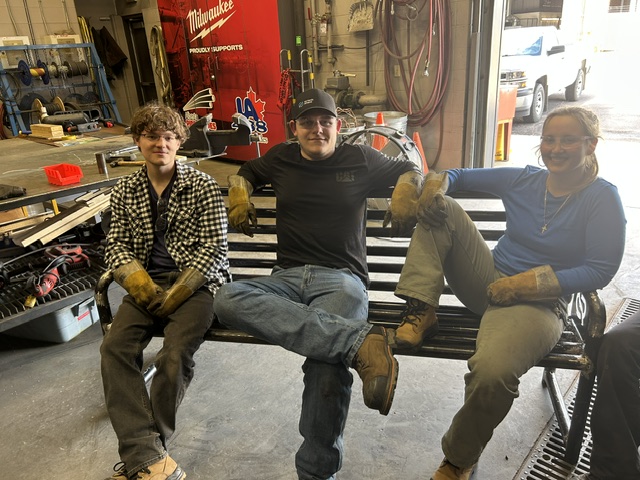
“It’s been fantastic working with the Oil Sands Alliance on this program,” says Waples. “They were generous enough and saw the need to fund 24 new apprentices into the trades to help Alberta’s economy, and they’ve been nothing but wonderful to work with. They were more than willing to try and remove the barriers that anybody could potentially have to be able to join this class.”
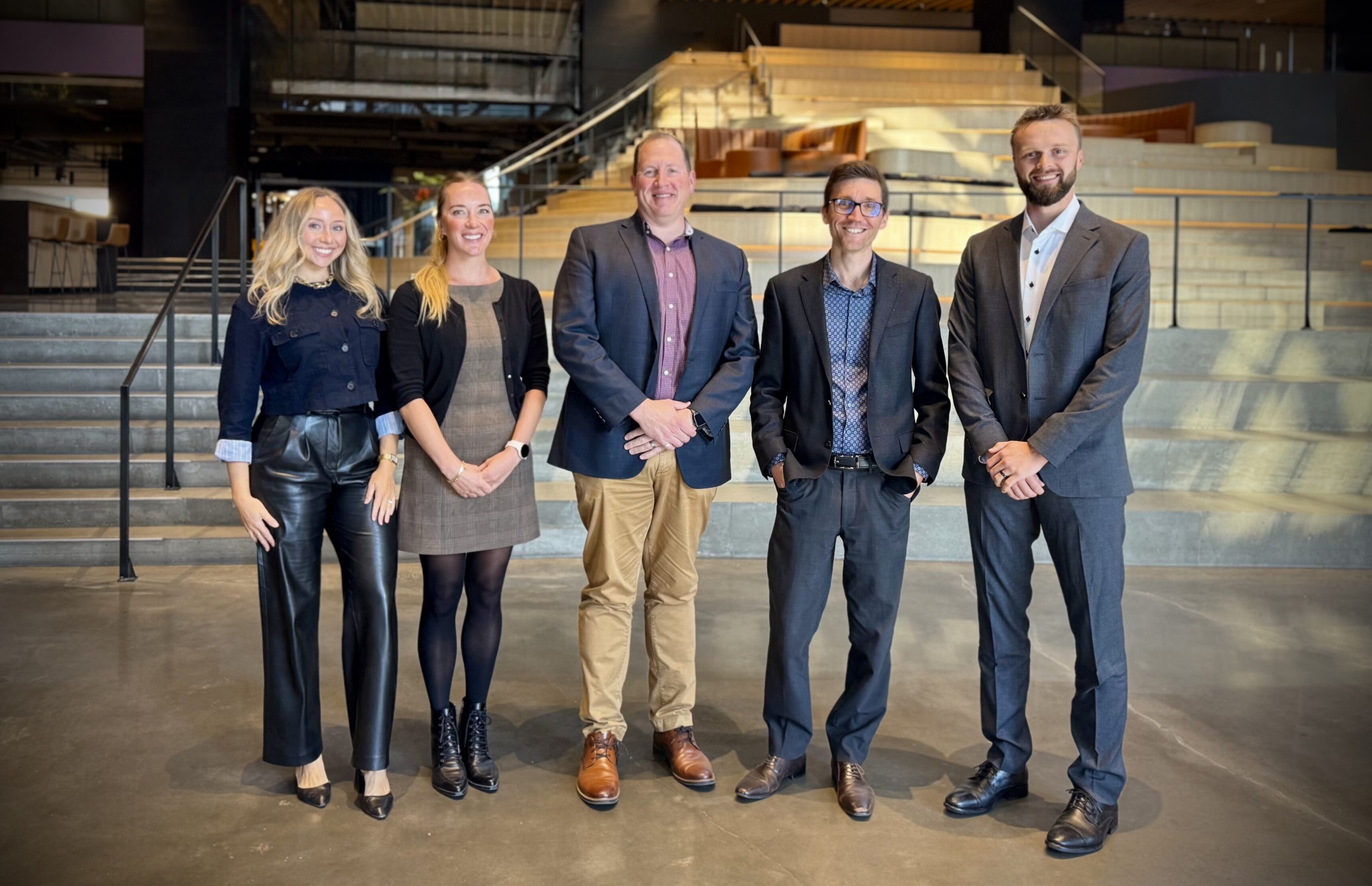
Navjeet Sidhu, Director of Strategic Engagement for the Oil Sands Alliance, says working with United Association Local 488 is part of the organization’s commitment to help address the need for skilled trades.
“We’ve invested in targeted training programs to help address urgent labour shortages and strengthen Canada’s industrial growth and competitiveness,” says Sidhu. “These programs help remove barriers for apprentices. Some of these students will eventually go on to well-paying jobs in the oil sands, which strengthen our industry too.”
And Waples, who also sits on the province’s apprenticeship board, sees the training as crucial to addressing the need for skilled trades for projects in Alberta in the coming years.
During the boom of oil sands construction between 1996 and 2015, Waples points out trades were available to travel from other provinces to help build critical infrastructure.
“There was not a lot of other industrial work in Canada at that time so you could get people from other parts of the country to come to Alberta,” he says. “That’s changed today because other provinces have projects going as well, whether it’s new nuclear plants in Ontario or LNG in British Columbia or Irving Oil in New Brunswick. We need to focus on getting young Albertans into the trades so we have the workforce here to get the job done. These programs are an important part of that.”