Waste not, want not: Recovering heat to help improve mining efficiency
June 25, 2026
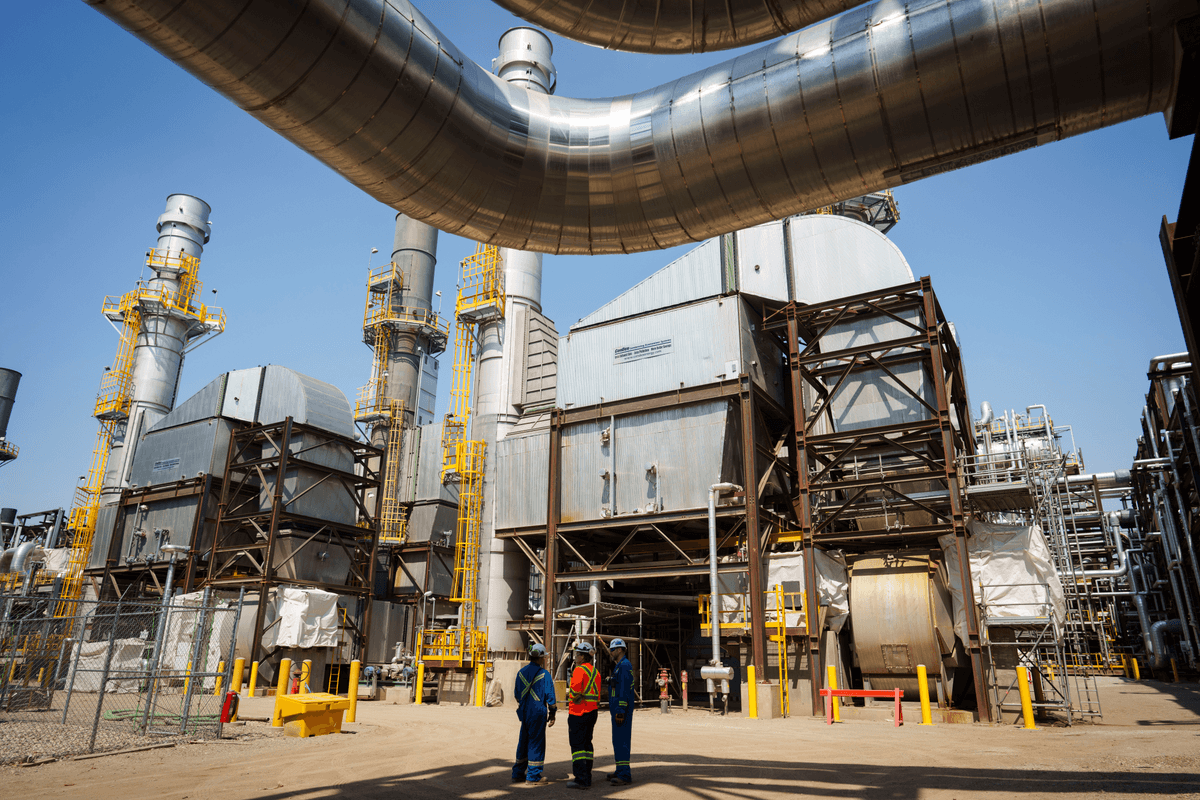
When it comes to environmental innovation, conversations often start with what goes into an energy system, rather than what comes out. But sometimes these by-products are worth a second look. Take, for example, the waste heat produced by natural gas‑fired boilers in the oil sands. Thanks to a collaboration between COSIA members and innovators, that waste heat is being put to good use.
In mining operations, hot water is used to separate bitumen from the oil sands. The water is heated using natural gas-fired boilers, and the byproducts of this combustion process are heat and water. Some of the heat energy vapourizes the water, however much of it is lost to the atmosphere.
Seeing this as an opportunity to increase efficiency, COSIA (the innovation arm of Oil Sands Alliance) partnered with Foresight Cleantech Accelerator Centre and Alberta Innovates to create the Mining Hot Water Production Challenge in 2016. The challenge was an open call to technology companies for solutions to help reduce the energy intensity of natural gas-fired boilers.
After a lengthy review and evaluation process of all applicants, Combustion & Energy Systems’ ConDex technology was selected as the winner in 2018. Combustion & Energy Systems specializes in recovering waste heat and recycling it back into energy systems to help increase efficiency. This type of heat recovery technology is used in other industries including metallurgy, food and chemical production, and the company saw potential to apply it in the oil sands at a larger scale.
Imperial’s Kearl operation then served as the home for a pilot project to test the first industrial-scale flue gas condensing economizer at an oil sands mine. The system uses a fan to collect flue gas from the boiler, sending it to an exchanger, where water and heat are collected. The water is recycled and reused in the mining process, reducing the need for make-up water from other sources. And the heat is reused to warm the process water needed for bitumen separation during mining.
The initial pilot at Kearl resulted in over 36 MW of energy recovery, over 500 L/min of water recovered, and 93,700 m3 of condensed water collected. Based on those positive outcomes, five additional boilers were built from 2021 to 2023, using the experience and findings from the first unit.
This project is one example of what’s possible when out-of-the-box thinking and collaboration come together to advance environmental technologies. And what can happen when waste is seen as an opportunity to improve.