What are tailings and how are they managed?
July 9, 2026
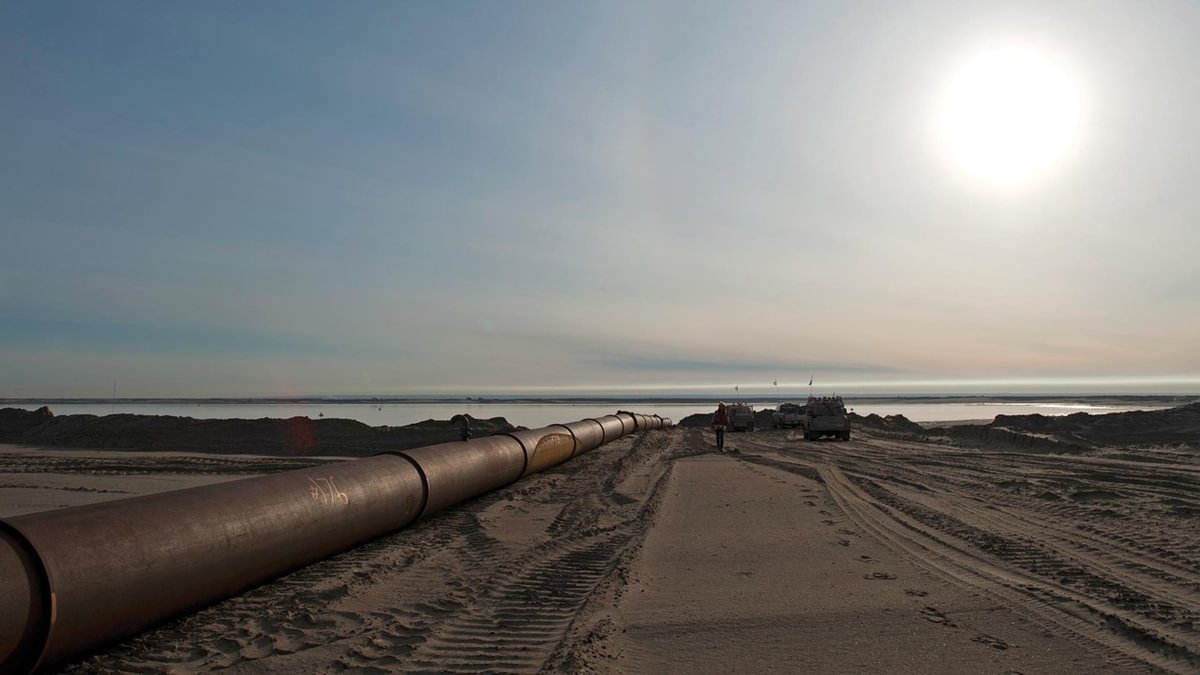
Whether copper, nickel, diamonds or oil sands, all mining operations generate a byproduct known as tailings. In Alberta’s oil sands, tailings are primarily made up of sand, clay, silt and trace amounts of hydrocarbons that remain after the bitumen is separated from the sand.
Much effort has gone into researching, testing and improving how tailings are managed. Techniques, technologies and regulations have evolved over the past few decades, and industry continues to refine and improve to progress efficient tailings management solutions.
During mining and extraction, tailings are managed using facilities constructed above ground or in mined-out pits. Tailings facilities allow heavier particles like coarse sand to sink to the bottom while smaller particles stay suspended. Coarse sand makes up the majority of tailings, and once separated from water, can be used to build containment structures and in reclamation activities.
A mud-like mixture called fluid tailings then remains, made up of water, silts, clay particles and residual hydrocarbons. These tailings require treatment technologies to accelerate the separation of water from the other materials, which results in a smaller, denser volume of tailings that can be reclaimed.
Water separated from the tailings can be recycled and reused in the bitumen extraction process. In fact, most of the water used in oil sands mining is recycled water from tailings. In 2024, 78% of water used for oil sands mining was recycled water according to the Alberta Energy Regulator (AER)[1].
The tailings that can be de-watered are used in terrestrial reclamation, forming the base for soils to be placed and trees and other vegetation to be planted. Planned reclaimed landscapes for current mines include a mosaic of uplands, wetlands and lakes. Vegetation is planted as the landscape was designed, and often with input from local Indigenous Peoples, so that over time, native plants, insects and wildlife can begin to return. Extensive research is also underway for treating fluid fine tailings in a way that they can be permanently stored at the bottom of a body of water such as an End Pit Lake.
While industry recycles a significant share of its process water during active operations, that capability diminishes as mining declines. Once operations wind down, recycling is no longer a viable means of managing water stored on site, and volumes will continue to grow even after mining ends, largely due to precipitation.
In other industries, water is treated to rigorous environmental standards and then released back into the environment. However, regulations for oil sands mines to release water don’t currently exist. As a result, operators have to store their mine water indefinitely, and oil sands mining operations have some of the largest industrial water repositories in the world. To advance oil sands reclamation, water will need to be safely treated and released back to the environment.
There are numerous technologies that have undergone modelling and testing that can safely treat oil sands mine water, it’s just the regulatory framework that is missing. Work has been underway for decades to develop regulations, and industry, government and regulators continue to work towards a framework for the safe release of treated mine water – an essential part of land reclamation and responsible operations.
Learn more about the safe treatment of oil sands mine water here.