Canada History Week 2026: The story of Canada’s oil sands
November 26, 2026
Canada History Week takes place from November 23 to November 29 and celebrates the stories, people and events that shaped the nation. We’re recognizing our oil sands industry – one of the most significant chapters in Canada’s modern history, fundamentally shaping the nation’s economic, geopolitical status and internal political landscape.
For its initial years, the oil sands industry was deemed fledgling as it was new, fragile and inexperienced. After the global oil crash in 1986, conventional oil prices plummeted and because extracting bitumen was highly expensive at the time, the oil sands could not compete. But that changed through technological innovations, collaboration – and most importantly – the tenacity of the industry’s people.
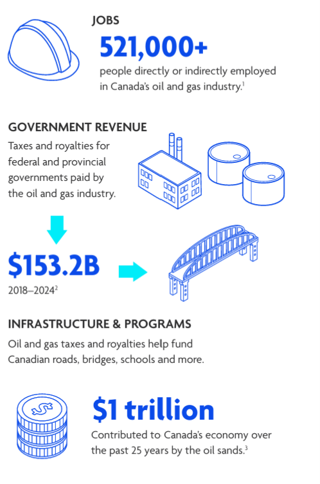
Today, Canada’s oil sands industry is an economic engine. More than 521,000 people are directly or indirectly employed by industry, which also pays taxes and royalties that help fund roads, bridges, schools and other essential infrastructure and programs. Over the past 25 years, the oil sands have contributed $1 trillion to Canada’s economy, while the broader oil and gas industry paid $153.2 billion in federal and provincial taxes and royalties between 2018 and 2024.
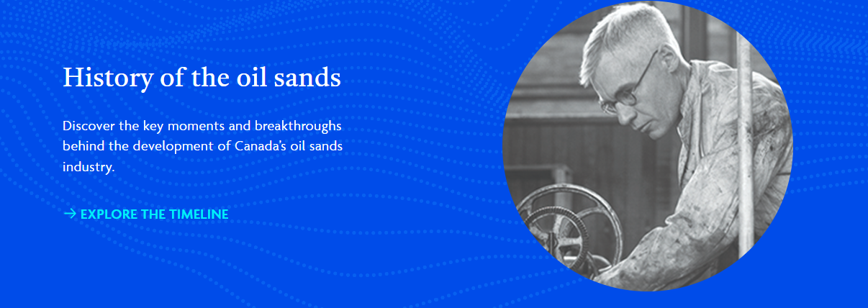
By looking back at the people, discoveries and turning points that defined the oil sands, we can better understand their role in shaping Canada’s economy and communities. After all, history provides the context needed to understand how an industry came to be, how it has changed, and what the future might hold.
Here are four reasons why the history of Canada’s oil sands matter:
1. It shows how industry is key to Canada’s economic growth
The oil sands have helped shape Canada’s energy industry through investment, oil exports, employment and government revenues. Understanding this history helps explain how the industry became an important contributor to Canada’s economy and a secure source of energy for the world.
2. It highlights the people and communities behind the industry
The oil sands have influenced the growth of communities across Alberta and Canada, created jobs for generations of workers, tradespeople, engineers and local businesses. The story honours the skills, ideas and hard work of the people who built the industry. It also shows how integral Indigenous communities and businesses have been in growing the industry.
3. It shows what’s possible through ingenuity and innovation
Oil sands development has changed significantly over time. Learning about early extraction methods and modern technologies shows how engineering, research and innovation have shaped the industry, unlocking resources that were once thought to be inaccessible.
4. It shows the importance of collaboration
Whether working with governments, communities or alongside competitors, a look at our history illustrates the power of collaboration. Organizations like COSIA (the innovation arm of Oil Sands Alliance) have served as a hub for operators to share ideas and accelerate environmental technologies since 2012. Similarly, five of Canada’s largest oil sands companies are working together as proponents on the Pathways Project – a proposed CO2 transportation network and storage hub in northeast Alberta to further reduce the CO2 emissions per barrel from the oil sands.
Our members’ stories
Our member companies have played important roles in the development of Canada’s oil sands industry, each bringing its own history, milestones and innovations. Explore their histories to learn how their businesses have evolved.
Canadian Natural Resources goes back 35 years to the shallow gas basins in Alberta where the company got its start, and they remain an important part of the company’s success today.
Cenovus started independent operations in 2009 when EnCana Corporation split into two companies, with Cenovus as an oil company and EnCana as a natural gas company. However, they trace their ties much farther back – all the way to the 1880s.
ConocoPhillips has a long and proud history of finding and producing oil and natural gas. They can trace their history over 115 years in Canada.
The Imperial Oil Company was formed by 16 oil refiners in Ontario when Canada was only 13 years old. Imperial has grown with it, sharing its prosperity and weathering the tough times.
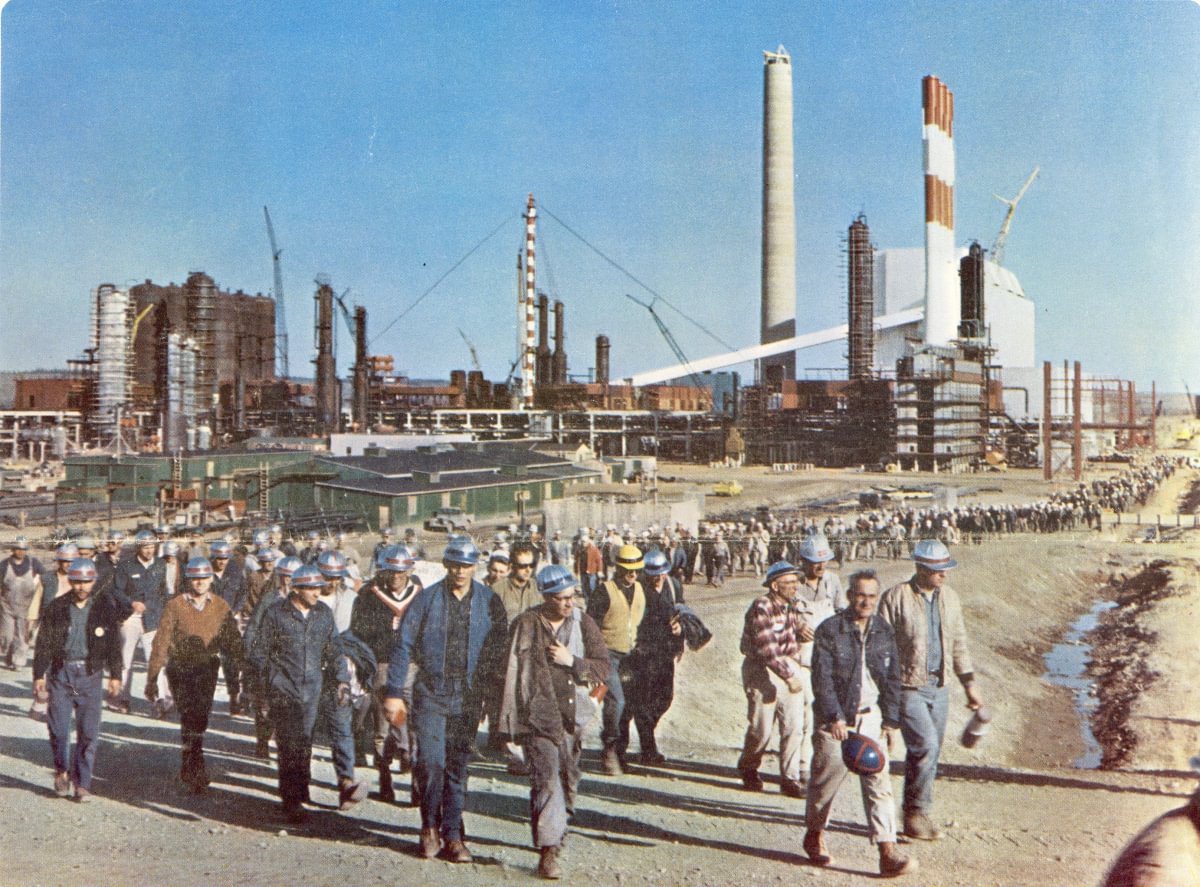
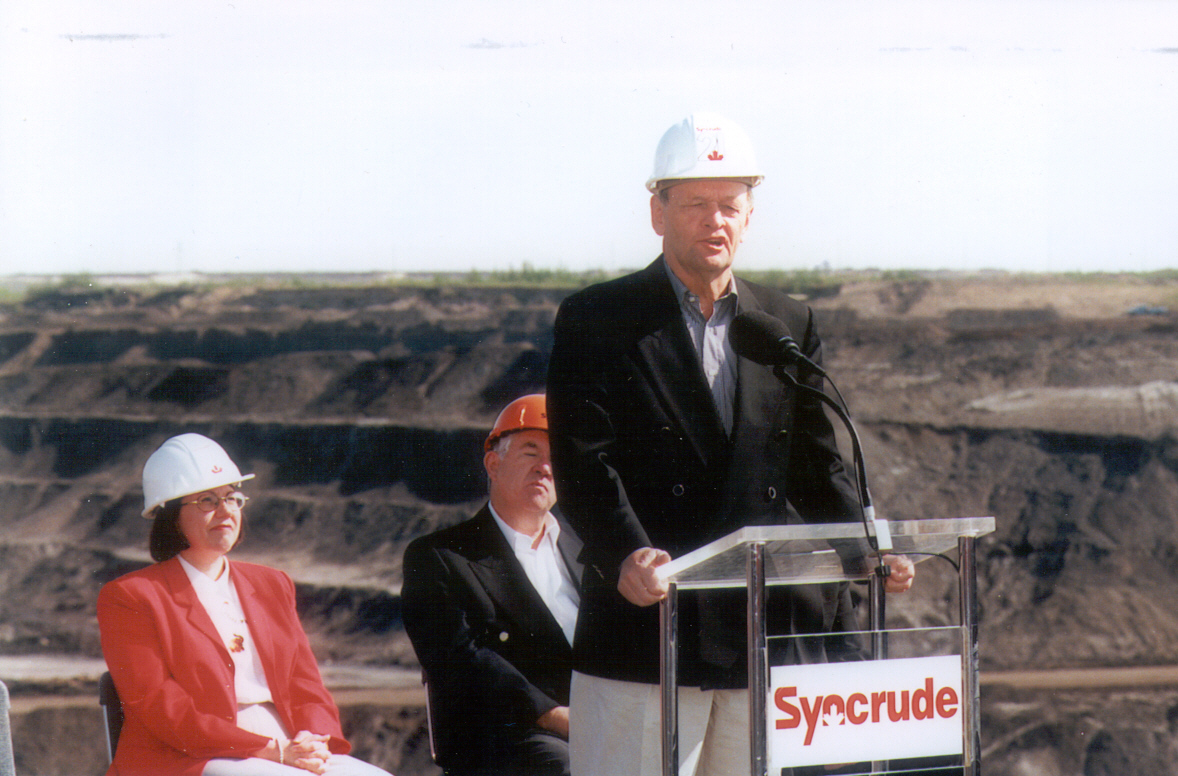
Suncor launched the first commercial oil sands development known as Great Canadian Oil Sands in 1967.
The oil sands industry in 2026
Today, Canada is the fourth-largest oil producer in the world, helping to provide secure energy to fuel our modern lives. Canada’s oil sands industry helps strengthen communities and the economy by creating jobs, generating government revenue and supporting businesses across the country.
As we recognize Canada History Week, looking back reminds us that the oil sands are more than an economic story. It’s a story of courage, vision and ingenuity. We’ve come a long way and there are still tremendous opportunities to advance one of Canada’s most important industries.