Getting ready for the next labour crunch
October 28, 2026

A recently-released labour market forecast shows the need to train more skilled workers as projected retirements could drive a shortage in the next decade for Canada’s energy sector.
Careers in Energy, a workforce development division of Energy Safety Canada, released its National Labour Market Outlook to 2035. The report forecasts more than 54,000 workers will be eligible to retire from the energy industry in that period, including more than 6,000 in the oil sands sector.
“One of the drivers in the forecast is retirements and that is expected to be the dominant hiring challenge through 2035” says Vineeta Maguire, President and CEO of Energy Safety Canada. “Addressing this will take coordinated action from employers, educators, governments, Indigenous communities, labour organizations and workforce development partners. Based on our analysis, current training, recruitment, and workforce development efforts are unlikely to fully meet projected demand across all occupations and regions.”
To close that gap, Maguire says the energy industry must attract new workers, retain experienced employees and accelerate training for skills.
“Employers need to focus on strengthening talent pipelines into skilled trades, technical and operational roles,” she says.
Widening the search for talent into new demographics such as women, youth, Indigenous communities, new Canadians and career changers will help. Programs such as Women Building Futures and Trade Winds to Success, which help underrepresented groups enter the trades, are positive steps in that direction, she says.
“The workforce challenge is less about numbers and more about capability,” Maguire says. “The industry needs to replace retiring workers, develop critical skills faster, and transfer knowledge to make sure more Canadians see energy as a long-term, high-quality career opportunity.”
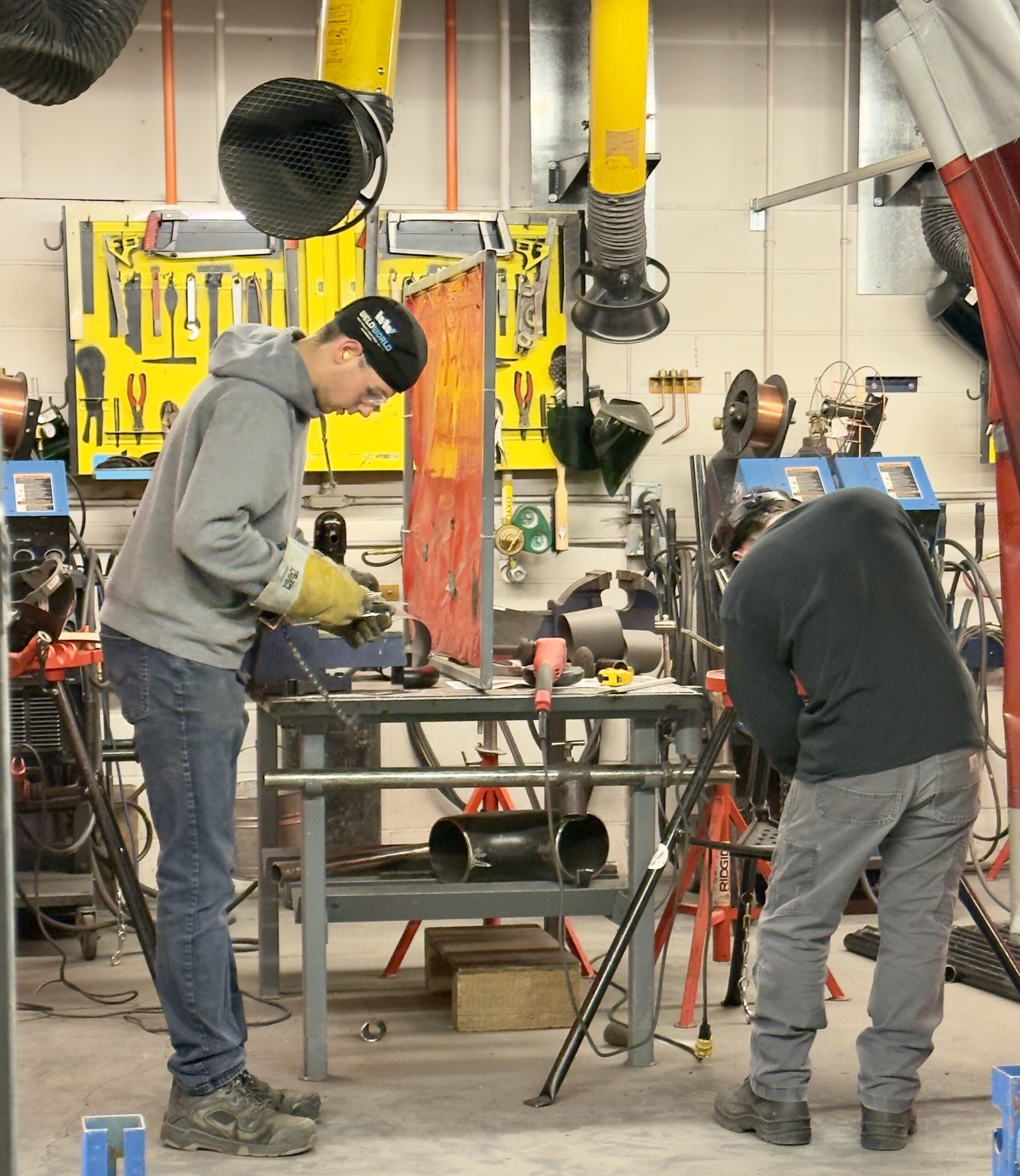
The oil sands sector faces labour and skills shortages in multiple occupations, including heavy equipment operators. The Oil Sands Alliance has made investments into several programs, including pre-apprenticeship training, workforce training in the Wood Buffalo region and skills training for heavy equipment operators.
“We’ve invested in targeted training programs to help address urgent labour shortages and strengthen Canada’s industrial growth and competitiveness,” says Navjeet Sidhu, Director of Strategic Engagement at Oil Sands Alliance. “These programs help remove barriers for apprentices, expand training capacity and modernize facilities to ensure industry-ready graduates. Some of these apprentices go on to well-paying jobs in the oil sands, which wind up strengthening our industry too.”
Maguire applauds these initiatives as crucial to addressing the shortage for skilled labour.
“Closing that gap requires direct collaboration with industry partners, and Oil Sands Alliance is a strong example of that approach. We need to have the industry’s voice and involvement in training from the beginning,” she says. “The value of this kind of investment is that it works through established union channels to train workers with specific skills the industry needs and improves workforce mobility to get workers onsite where they’re most needed. That direct pipeline helps close skill gaps faster than relying on the broader labour market alone, and it’s already helping ease hiring pressure in the sector.”
The exit of experienced workers will create other challenges for industry, such as retaining industry and organizational knowledge.
“As experienced workers retire and skill requirements evolve, companies need to prioritize critical knowledge transfer, verifiable credentialing, and strong learning cultures to manage risk in an increasingly complex work environment,” Maguire says. “This will help attract, develop and retain a workforce capable of adapting. We’re here to produce a product as safely and as efficiently as possible in a world-class environment. Canada does that.”
The forecast also cites global energy security, major project development, export infrastructure, and the growth of AI-related energy demand as factors shaping the industry’s labour demands over the next decade.
Careers In Energy will release its next national and regional labour market outlooks in spring 2027 and will extend projections for the industry to 2040.