Gold star for great green bin-ing
Strathcona County has one of the lowest rates of green cart contamination in Canada thanks to a simple yet powerful little sticker.
May 19, 2026

Oil Sands Alliance is a proud sponsor of the 35th annual Emerald Awards for Environmental Excellence. The awards celebrate the organizations, projects and individuals across Alberta working to address environmental challenges and build a more resilient and sustainable future. Support for environmental initiatives – big or small – helps drive environmental innovation.
We’re highlighting the finalists in our sponsored category: Public Education & Outreach. First up: Strathcona County and its Gold Star program.
Everyone loves getting a gold star, right?
Psychologists agree that people have a deep-seated desire for recognition. Receiving a gold star for a job well done is a simple yet tangible marker that you’ve done something right. And it feels even better when others can see it. Social approval matters.
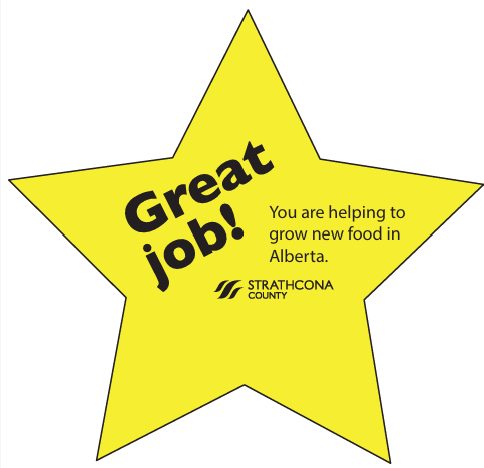
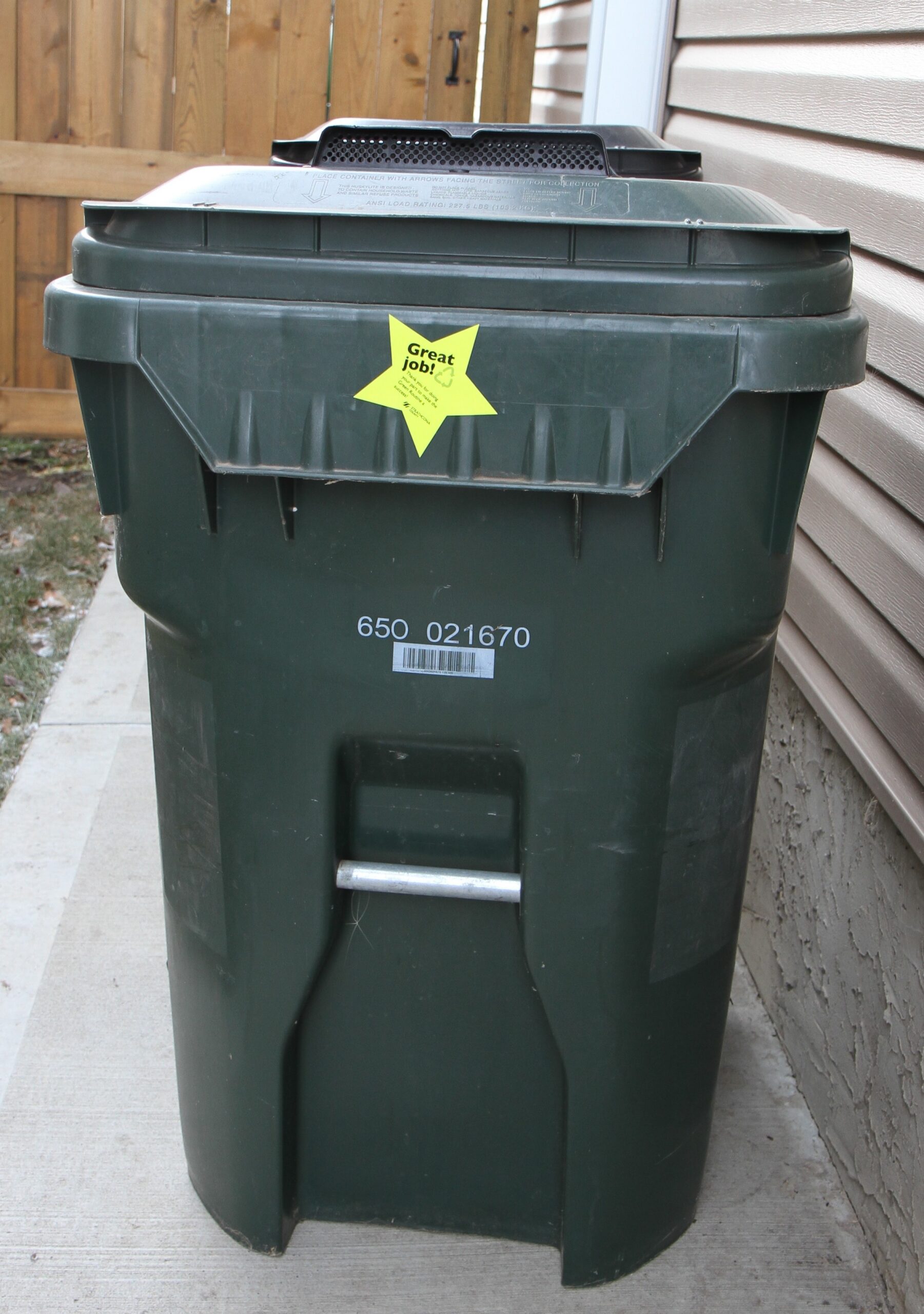
Erin Wildeboer, Supervisor of Waste Diversion Programs and Outreach at Strathcona County, tapped into that part of the human psyche to drive massive behaviour change in waste management. Through the County’s Gold Star Program — active in Sherwood Park, which is home to 100,000+ residents — homeowners are encouraged to follow guidelines to ensure clean, high-quality compost. Do it right, and you’ll find a gold star on your bin for neighbours to see.
“It’s not about shaming or punishing people. It’s about recognition, consistency and making the right behaviour the easy and visible choice,” says Erin. “People want to do better. If you make it simple and show them they’re succeeding, most will rise to that expectation.” And rise they did.
Strathcona County now has one of the lowest contamination rates in Canada at 1-3%, compared to 12- 15% in 2015 when the program started.
“Municipalities across Canada and even in the United States have contacted us to learn how the program works and how they can implement something similar,” Erin says. “Many cities and towns have their own successful versions, proving that recognition truly does encourage people to try and reinforces good habits over time.”
How the program works
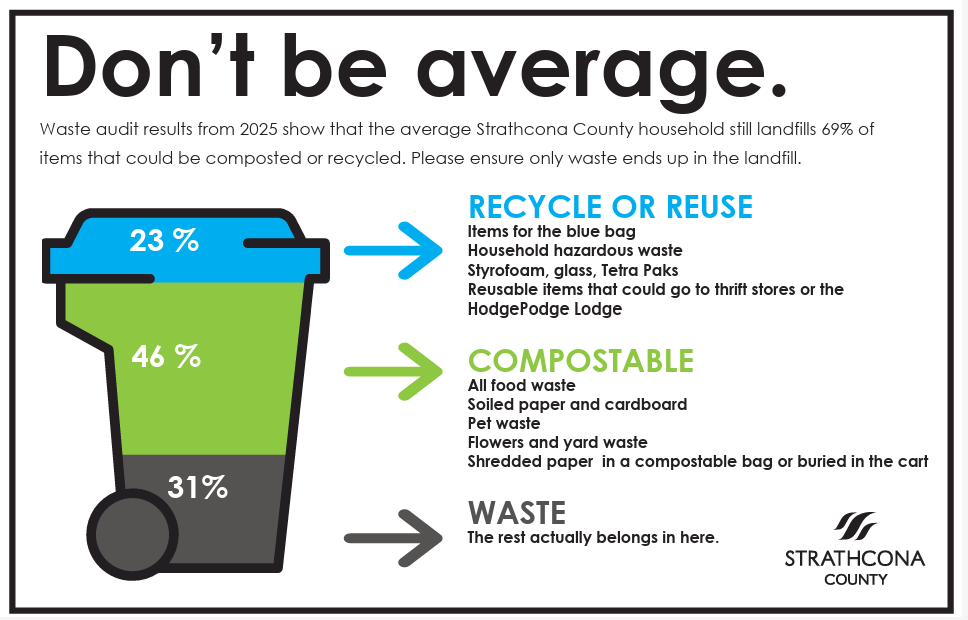
Every summer, the Green Routine Street Team made up of summer staff, manually audit the green bins for contamination. If they find minor issues, they leave an educational sticker explaining what needs to change. If the bin is contamination-free, it earns a gold star. Staff take a photo of the sticker and upload it to an app connected to the County’s system that tracks residents’ habits. If a resident calls with a question, customer service staff can look up the address, review the audit, and provide more detailed support.
“I believe this program is successful because it provides residents with clear guidance through curbside conversations and handouts, but it also recognizes the great work they are already doing to reduce what goes to the landfill,” says Shae Lynn Labonne, staff of the Green Routine Street Team. “One of my favourite moments is seeing how excited residents get when they earn a star for their efforts – their pride and enthusiasm truly show how committed our community is to the Green Routine!”
What happens to the organics?
Composting has positive impacts for the environment and for the food we eat. Organics are taken to one of two local facilities.
Altroot turns the organic waste into nutrient-rich compost, which is supplied to Alberta farmers as a natural fertilizer. Some of the crops grown with this compost are then used to feed livestock, which in turn feed Albertans. This process keeps carbon in the ground and reduces greenhouse gas emissions.
RoseRidge Waste Management Services Commission turns household organic material into Category A compost, which is used in gardens, farms and public landscaping across the region. This high-quality compost supports local agriculture, reduces the need for synthetic fertilizers and enriches soil.
Both processes take about one year. Because the composting happens at an industrial scale, the organic materials reach high temperatures. This allows the County to include meats, dairy products, pet waste and other organic materials that cannot go in a backyard compost pile.
The Gold Star program has been running for a decade and shows no signs of slowing down. As AI and camera technology on collection trucks advance, contamination detection will likely get faster and more precise over time, ultimately making the program better.
“I think we can all do a little bit better,” says Erin. “We’ve seen how small changes can have a big impact across many of our programs. Sometimes, it just means getting a little uncomfortable and trying something different.”