Government study finds decreased emissions intensity in the oil sands
October 29, 2026
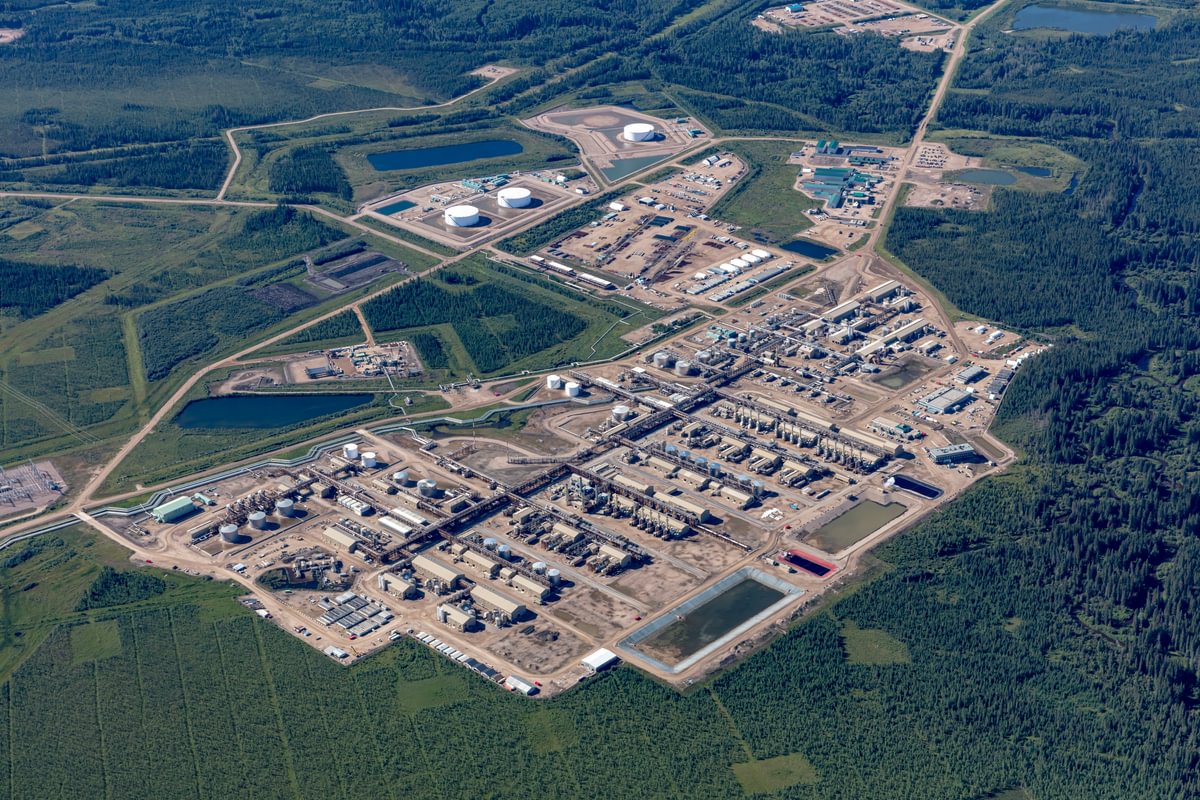
An Alberta government study has found emissions for each barrel produced from the oil sands fell by 28 per cent between 2012 and 2024.
During the same period, oil sands production grew by 1.7 million barrels per day (bpd), an increase of 105 per cent.
The Alberta Oil Sands Greenhouse Gas Emissions Analysis is produced every year using emissions and production data from every industry facility collected by the Alberta Energy Regulator. The report measures greenhouse gas intensity in tonnes of carbon dioxide equivalent per barrel, providing a consistent provincewide measurement of the emissions associated with producing and processing oilsands bitumen.
The Alberta government credits the reduction in emissions intensity to new technology and improved efficiency in operations.
“Alberta has seen a steady increase in production and a reduction in emissions per barrel. We are on our way to doubling production while proving that innovation, investment and responsible development can deliver real environmental results,” said Alberta Environment and Protected Areas Minister Grant Hunter in a news release announcing the study. “Alberta is showing Canada that economic growth and emissions reductions can go hand in hand.”
The study follows a similar report from S&P Global Energy, which found the oil sands had lowered its emissions intensity by 31 per cent since 2009.
Kendall Dilling, president of the Oil Sands Alliance responded to the findings.
“The report shows how technology, new ideas and better operating practices are helping lower oil sands emissions intensity,” says Kendall Dilling, president of Oil Sands Alliance. “By continuing to pursue environmental innovation, the industry can remain a dependable source of energy and economic prosperity for generations.”
Looking ahead, IHS Markit/S&P Global forecast emissions intensity will fall up to 28 per cent in the broader oil and gas sector between 2020 and 2035.